You’re packed, tickets booked, bags by the door — and then that nagging thought hits. Did I lock the back door properly? Should I tell the neighbours we’re away? Learning how to secure home while traveling properly means you can actually enjoy the trip instead of half-worrying about it the entire time.
I’ve made basically every mistake on this list at some point — posted vacation photos in real time once, completely forgot to stop the newspaper delivery another time, came back to a small mountain of parcels sitting outside the door like a neon sign saying “nobody’s home.” None of these mistakes led to anything bad happening, thankfully, but they easily could have. This guide covers what genuinely matters for Indian homes in 2026, based on what actually reduces risk rather than just generic advice copied from Western travel blogs.
Don’t Announce Your Travel Plans Publicly
Featured answer: Avoid posting vacation details, dates, or real-time location updates on public social media before or during your trip. Wait until you’re back home to share photos, since public posts about an empty house are one of the easiest ways burglars identify targets.
This one genuinely surprises people, because it feels harmless. But think about it from the other side — a public Instagram story showing you’re at an airport, tagged with dates, is basically an announcement that your home is empty for the next week.
Keep travel excitement for close friends and family through private messages instead of public posts. Share the photos once you’re back, when the “empty house” window has closed.
Ask a Trusted Neighbour to Keep an Eye Out
This old-fashioned approach still works better than most tech solutions, honestly.
- Ask a neighbour to collect mail, newspapers, and any parcels regularly so nothing piles up visibly
- Give them your travel dates and a contact number in case something looks off
- If comfortable, leave them a spare key for genuine emergencies, like a water leak
- Offer to do the same for them next time — it’s a two-way relationship that works best when it’s mutual
Picture a small business owner in Jaipur who went on a two-week trip and asked her downstairs neighbour to keep half an eye on the building. Halfway through the trip, the neighbour noticed a delivery person repeatedly trying the door and buzzing multiple times — turned out harmless, but having someone local paying attention genuinely adds a layer of security no camera fully replaces.
Stop Deliveries and Mail Before You Leave
Piled-up newspapers or parcels are one of the clearest visual signs a house is empty.
- Pause newspaper delivery for the duration of your trip
- Hold or redirect courier deliveries if you’re expecting anything during travel dates
- Ask domestic help or building security to collect any mail that does arrive
- If using a smart lock, disable delivery notifications that might reveal you’re away to anyone watching your phone
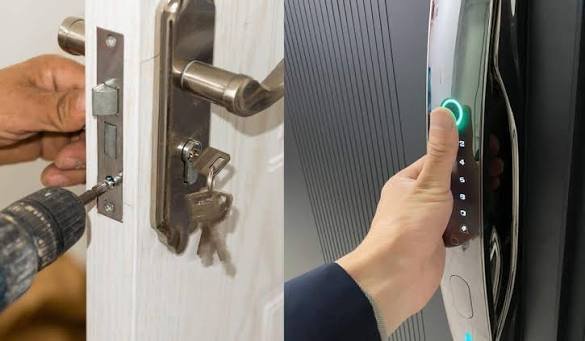
Secure Doors, Windows, and Entry Points Properly
Featured answer: Before traveling, double-check all door and window locks, secure balcony access points, and reinforce any weak entry points like grilles or sliding doors. A simple ₹500-1,500 additional lock or bolt on vulnerable points can meaningfully reduce break-in risk during extended absences.
Check every window, not just the main door — ground floor and easily accessible balcony windows are the most common entry points, and people often forget to double-check these before a trip.
[link to related guide on smart locks vs traditional locks here]
If your home has any obviously weak points — a grille with a flimsy lock, a sliding door with a basic latch — consider a temporary or permanent upgrade before travel season, especially for longer trips.
Use Lighting to Create the Illusion of Occupancy
A completely dark house every single night for two weeks is a giveaway. Smart plugs and timers solve this cheaply.
- Set a timer switch or smart plug (₹500-1,000) to turn a light on and off at realistic evening hours
- Vary the timing slightly day to day if possible — a light going on at exactly 7:00 PM every night can look suspiciously mechanical to someone paying attention
- Consider a TV or radio on a timer too, since sound carries and adds to the illusion of occupancy
[link to related guide on smart home upgrades worth the investment here]
Install or Activate Home Security Cameras
If you already have security cameras, this is exactly the situation they’re for — check they’re working properly and have adequate storage or cloud backup before you leave.
If you don’t have cameras yet, even a basic indoor camera (₹1,500-3,000) covering the main entrance gives peace of mind and a way to check in remotely during the trip. Test the app and notifications before departure, not after something’s already happened.
Inform Building Security or RWA if Applicable
If you live in a gated society or apartment complex, let building security know your travel dates. Most Indian residential societies have a system for logging visitors and deliveries — flagging that your flat will be empty helps them keep a slightly closer eye.
FAQ: Common Questions About Securing Your Home While Traveling
Is it safe to post vacation photos while still traveling? It’s safer to wait until you’re back home, since real-time posts can reveal that your house is currently empty to a wider audience than intended.
Should I stop mail delivery before going on a trip? Yes, or arrange for a trusted neighbour to collect it — piled-up mail and parcels are one of the clearest visible signs that nobody’s home.
Are smart plugs actually effective for home security? Yes, reasonably — timer-based lighting creates a believable illusion of occupancy, which is often enough to discourage opportunistic break-ins.
Should I tell my neighbours I’m going away? Generally yes, if you trust them — a neighbour keeping half an eye on your home is one of the most effective and low-cost security measures available.
Do I need security cameras to secure my home while traveling? They help significantly, but aren’t strictly necessary — combining trusted neighbours, proper locks, and lighting timers covers most of the same ground at a lower cost.
What should I do about my domestic help while traveling? Clearly communicate your travel dates, decide together whether they’ll continue coming in your absence, and inform building security if they’ll be entering the flat while you’re away.
[link to related guide on best home security systems for beginners here]
Wrapping It Up
Learning to secure home while traveling isn’t about becoming paranoid before every trip — it’s a handful of simple habits: stay quiet about travel dates publicly, arrange for a trusted neighbour to check in, stop mail piling up, and use lighting or cameras to keep the house looking lived-in.
Run through this checklist the night before your next trip, even if it takes just twenty minutes. That small bit of prep means you can actually relax once you’re away, instead of spending half the holiday wondering if you locked the back door.