Category: Home Improvement

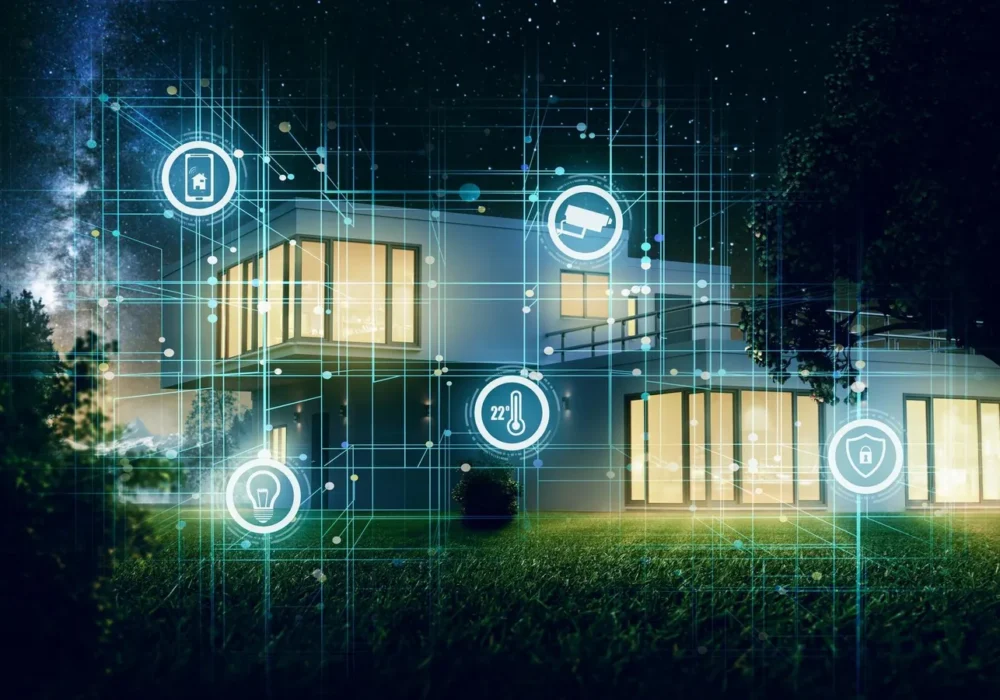
  • Smart Home Upgrades Actually Worth the Money in 2026

    Smart Home Upgrades Actually Worth the Money in 2026

    A friend of mine spent close to ₹40,000 automating his entire flat — smart curtains, a robot vacuum, colour-changing bulbs in every room — and within six months, half of it sat unused, gathering dust in a drawer. That’s the trap with smart home upgrades. Not everything marketed as “smart” actually makes your life easier, and some of it just adds another app to manage.

    I’ve tested a fair few smart devices in my own home over the past couple of years, and my honest take is this: some upgrades genuinely change daily life for the better, while others are solving problems nobody really had. This guide sticks to the ones worth spending on in 2026, with rough Indian pricing, so you’re not guessing which gadgets are actually useful versus just flashy.

    Why Smart Home Upgrades Are Worth Considering At All

    Featured answer: Smart home upgrades are worth considering because they save time on repetitive tasks, reduce electricity waste through automation, add a genuine layer of home security, and — for a growing number of buyers — increase a property’s resale appeal in urban Indian markets.

    It’s not just about convenience for its own sake. A smart plug that switches off appliances left running by mistake genuinely saves money over months. A video doorbell that lets you screen visitors before opening the door is a real safety upgrade, not a gimmick.

    That said, I’d push back on the idea that you need a “fully connected smart home” to benefit from any of this. Even two or three well-chosen devices make a noticeable difference — you don’t need to automate everything at once.

    Smart Lighting: Often the Best Starting Point

    Smart bulbs and switches are usually the cheapest, easiest entry point into home automation, and honestly the one I’d recommend to almost anyone starting out.

    • Smart bulbs (₹400-1,200 each) — schedule them, dim them, change colour temperature without an electrician
    • Smart switches (₹800-2,000) — retrofit onto existing switchboards, no rewiring needed in most Indian homes
    • Motion-sensor lighting for hallways and bathrooms — genuinely useful for elderly family members at night

    Has this ever happened to you — forgetting to switch off a light before leaving for work, only remembering hours later? A smart switch app fixes that instantly, and it’s a small upgrade that pays for itself fast.

    Video Doorbells and Smart Locks

    Featured answer: Video doorbells (₹3,000-8,000) and smart locks (₹6,000-15,000) rank among the highest-value smart home upgrades because they combine convenience with genuine security benefits — screening visitors remotely and eliminating lost-key situations, both common concerns in Indian apartment living.

    I’ll admit I was sceptical about video doorbells until my own building had a string of delivery thefts last year. Being able to check who’s at the door from your phone, even while you’re at work, is genuinely reassuring — not just a novelty.

    Smart locks solve a different, very Indian problem: the panic of a lost key or a domestic help waiting outside because nobody’s home to let them in. A code-based smart lock removes that entirely.

    Smart Plugs: Small Cost, Surprisingly Useful

    At ₹500-1,000 each, smart plugs are one of the cheapest smart home upgrades you can make, and I genuinely think they’re underrated.

    1. Plug your geyser into one and schedule it to heat water only before you actually need it
    2. Automatically switch off appliances left on standby overnight
    3. Monitor which devices are actually drawing the most power, if the plug has energy tracking built in

    [link to related guide on energy efficient home improvements to save money here]

    Robot Vacuums: Worth It, But Know Your Home First

    This is where I’ll disagree with a lot of glowing reviews online. Robot vacuums (₹15,000-40,000 depending on features) work brilliantly in open, clutter-free layouts. In homes with lots of loose wires, low furniture, or scattered kids’ toys, they spend half their time stuck rather than cleaning.

    Picture a small business owner in Jaipur who bought one for her showroom floor — worked beautifully on the open sales floor, but constantly got jammed navigating the narrower storeroom. Know your floor plan before buying one of these.

    Smart Security Cameras for Peace of Mind

    Indoor and outdoor smart cameras (₹1,500-6,000 per unit) let you check in on your home remotely, which matters a lot for families with domestic help, pets, or elderly parents living alone.

    [link to related guide on best home security systems for beginners here]

    Look for ones with local storage options if you’re wary of cloud subscriptions — many Indian users prefer avoiding recurring monthly fees for something as basic as camera footage.

    Voice Assistants and Home Hubs

    A central hub (Amazon Echo, Google Nest, or similar, ₹2,500-6,000) ties everything together — lights, plugs, locks — under one voice command system. It’s genuinely convenient once your other smart devices are in place, though I wouldn’t recommend buying one first before you’ve got a few compatible devices to actually control.

    Smart Home Upgrades That Aren’t Usually Worth It

    Not everything marketed as smart deserves a place on this list.

    • Smart fridges — the “smart” features rarely justify the massive price premium over a good regular fridge
    • Smart mirrors — mostly novelty, limited genuine daily use for most households
    • Overly complex whole-home automation systems installed all at once, without testing individual devices first

    FAQ: Common Questions About Smart Home Upgrades

    What’s the cheapest smart home upgrade to start with? Smart bulbs or smart plugs are the most affordable entry point, typically ₹400-1,200 each, and don’t require any electrical rewiring.

    Do smart home upgrades actually save electricity? Yes, when used properly — automated scheduling for geysers, lights, and appliances reduces standby power waste, though the savings depend on how consistently you use the automation features.

    Are smart locks safe to use in India? Generally yes, especially models with both digital and physical key backup options — look for ones with good reviews specifically from Indian users, since humidity and power cuts can affect performance.

    Do smart home devices increase property resale value? Increasingly yes, particularly in urban markets where buyers are starting to expect basic smart features like video doorbells and smart locks as a plus point.

    Can I add smart home upgrades to a rented flat? Yes, many options like smart bulbs, plugs, and battery-powered cameras are non-invasive and easy to remove when you move out, unlike wired smart switches.

    Is it worth automating an entire home at once? Usually not — start with two or three high-value upgrades (lighting, a video doorbell, a smart plug or two), see how much you actually use them, then expand gradually.

    [link to related guide on how to increase home value before selling here]

    Wrapping It Up

    The best smart home upgrades aren’t the flashiest ones — they’re the ones you’ll actually use every single day. Smart lighting, a video doorbell, and a couple of smart plugs cover most of the genuine convenience and security benefits, without the cost or clutter of automating everything at once.

    Pick one upgrade from this list, try it for a month, and see how much it actually changes your routine before spending on the next one. That’s a far better test than any spec sheet.

  • How to Plan a Home Improvement Budget (2026 Guide)

    How to Plan a Home Improvement Budget (2026 Guide)

    “It’ll cost around ₹2 lakh, maybe a bit more” — famous last words from almost every homeowner I know before a renovation. Then the contractor finds a plumbing issue behind the wall, or the tiles you liked are out of stock and the replacement costs 30% more. A proper home improvement budget isn’t just a number you guess and hope for — it’s a plan that accounts for the stuff you can’t see coming.

    I’ve been through two home renovations myself, and both times the actual spend came in higher than my first estimate. Not because I was careless, but because nobody warns you how many small decisions add up. This guide is the version of budget planning I wish I’d had the first time — practical, specific to Indian renovation costs in 2026, and honest about where the money actually goes.

    Why Most Home Improvement Budgets Go Wrong

    Featured answer: Most home improvement budgets fail because they don’t account for hidden costs (electrical or plumbing issues found mid-project), material price fluctuations, and labour delays. A realistic budget always includes a contingency fund of at least 15-20% above the estimated cost.

    I’ve noticed the biggest budgeting mistake isn’t overspending on the fun stuff — it’s underestimating the boring stuff. Wiring that needs replacing, a wall that turns out to be damp behind the paint, old plumbing that wasn’t visible until the contractor opened things up.

    Contractors themselves aren’t always to blame either. Material prices genuinely shift month to month, especially cement, tiles, and hardware. What quoted ₹85 per sq ft in January might be ₹95 by March.

    Set a Realistic Total Number First

    Before getting into line items, decide on one overall figure you’re comfortable spending, and be honest about it — not aspirational, actual.

    A good rule many contractors in India use: renovation costs typically run ₹1,200-2,500 per sq ft for a full home renovation, depending on the city and finish quality. A simpler refresh (paint, minor fixes, some furniture) can be done for far less — sometimes under ₹300 per sq ft.

    Write this number down somewhere you’ll actually see it during the project. It’s shockingly easy to forget your own limit once tile samples and showroom lighting get involved.

    Break Down Your Home Improvement Budget by Category

    Featured answer: A typical home improvement budget should be split roughly as: 30-35% labour, 35-40% materials, 10-15% fixtures and fittings, and 15-20% held back as a contingency fund for unexpected costs — adjust the ratio depending on whether it’s a full renovation or a smaller project.

    • Labour (carpenters, electricians, plumbers, painters)
    • Materials (tiles, paint, wood, cement, fittings)
    • Fixtures (taps, lights, switches, hardware)
    • Design or consultancy fees, if you’re hiring an interior designer
    • Permits, if applicable for structural changes
    • Contingency — non-negotiable, don’t skip this one

    Keep these as separate line items in a simple spreadsheet. It sounds basic, but I’ve seen so many people track spending in their head or on scattered WhatsApp messages with the contractor, and it falls apart fast.

    Where to Cut Costs Without Cutting Corners

    Not every corner should be cut, but some genuinely can be without hurting the final result.

    1. Choose mid-range tiles instead of premium imported ones — the visual difference is often smaller than the price gap suggests
    2. Reuse existing furniture where possible instead of replacing everything at once
    3. Time your purchases around sales — many Indian hardware and furniture brands run discounts around Diwali and year-end
    4. Get at least three contractor quotes before committing — prices can vary by 20-30% for identical work
    5. Skip structural changes unless genuinely necessary; they’re the most expensive line item by far

    [link to related guide on kitchen remodel ideas on a budget here]

    Where Not to Skimp

    Picture a small business owner in Jaipur who cut corners on electrical wiring during a shop renovation to save around ₹15,000. Eighteen months later, faulty wiring caused a short circuit and damaged inventory worth far more than what she’d saved. Some things just aren’t worth the risk.

    Electrical work, plumbing, and waterproofing are the three areas where cheap work almost always costs more later in repairs. Spend properly here even if it means trimming elsewhere.

    Financing Options for a Home Improvement Budget

    Most people don’t pay for renovations entirely out of savings, and that’s completely normal.

    • Home improvement loans — typically 10.5-14% interest depending on the bank, usually faster approval than home loans
    • Personal loans — higher interest but more flexible use of funds
    • Paying in phases — renovate room by room over a year or two instead of all at once, spreading the cost naturally
    • Credit card EMIs for smaller purchases like furniture or fixtures, if the interest-free period works for your timeline

    Phasing the project is honestly underrated. It’s slower, sure, but it keeps the monthly financial pressure much lower than one giant upfront spend.

    Tracking Spend as the Project Progresses

    Set a weekly check-in with yourself, even just fifteen minutes, comparing actual spend against your budget categories. Has this ever happened to you — three weeks into a renovation and you genuinely have no idea how much has actually gone out?

    A simple spreadsheet with planned vs actual columns works better than any fancy app for this. Update it every time a payment is made, not at the end of the month when half the receipts are lost.

    [link to related guide on home renovation timeline here]

    FAQ: Common Questions About Home Improvement Budgets

    How much should I budget for a full home renovation in India? Roughly ₹1,200-2,500 per sq ft for a complete renovation, though this varies significantly by city, finish quality, and how much structural work is involved.

    What percentage of a home improvement budget should be contingency? At least 15-20% of your total estimated cost should be set aside as contingency for unexpected issues like hidden plumbing or electrical problems.

    Is it cheaper to renovate in phases or all at once? Renovating all at once is often cheaper overall due to bulk material discounts and single labour mobilisation, but phasing spreads the financial burden and may suit tighter monthly budgets better.

    Should I hire an interior designer to help with budgeting? For larger renovations, yes — a good designer can often save more in avoided mistakes and better contractor negotiation than their fee costs, though it’s an added upfront expense.

    What’s the biggest hidden cost in home renovations? Electrical and plumbing issues discovered after walls are opened up are the most common and often most expensive hidden costs in Indian home renovations.

    How do I avoid overspending during a renovation? Set a firm total budget upfront, break it into categories, track spend weekly against that budget, and resist mid-project upgrades that weren’t part of the original plan.

    [link to related guide on how to increase home value before selling here]

    Wrapping It Up

    A solid home improvement budget isn’t about predicting every cost perfectly — that’s genuinely impossible. It’s about building in enough cushion, tracking spend honestly as you go, and knowing which corners are safe to cut and which absolutely aren’t.

    Before you sign off on any renovation this year, sit down and build your budget spreadsheet first, even a rough one. It’ll save you from the sinking feeling of realising, halfway through, that the money’s run out before the work has.