That drip-drip-drip from the bathroom tap at 2 AM — has this ever happened to you, lying there convincing yourself you’ll deal with it “tomorrow,” and then not dealing with it for another three weeks? Most common plumbing problems start exactly like that. Small, annoying, easy to ignore, until they’re suddenly not.
I’ve handled a fair number of plumbing headaches in my own home over the years, some I fixed myself with a ₹200 washer, others that genuinely needed a professional and a fair bit more money than I’d hoped. This guide covers the plumbing issues that come up again and again in Indian homes, what you can realistically fix yourself, and when calling a plumber is just the smarter call.
Dripping Taps: The Most Common Plumbing Problem of All
Featured answer: A dripping tap is usually caused by a worn rubber washer inside the tap mechanism, which loses its seal over time. This is one of the easiest common plumbing problems to fix yourself — a replacement washer costs ₹20-50 and the fix typically takes under 20 minutes.
Almost every home deals with this at some point. It seems minor, but a dripping tap can waste over 3,000 litres of water a year — not a small number when you actually see it written out.
Fixing it yourself is genuinely simple: turn off the water supply to that tap, unscrew the handle, replace the worn washer, reassemble. If it keeps dripping after a washer change, the valve seat itself might be damaged, which is when I’d call a plumber rather than keep guessing.
Clogged Drains: Kitchen and Bathroom
Clogged drains are probably the second most common complaint, and honestly, most are preventable with basic habits.
- Kitchen sinks clog from oil and food waste — never pour cooking oil down the drain, it solidifies inside pipes
- Bathroom drains clog from hair and soap scum buildup over time
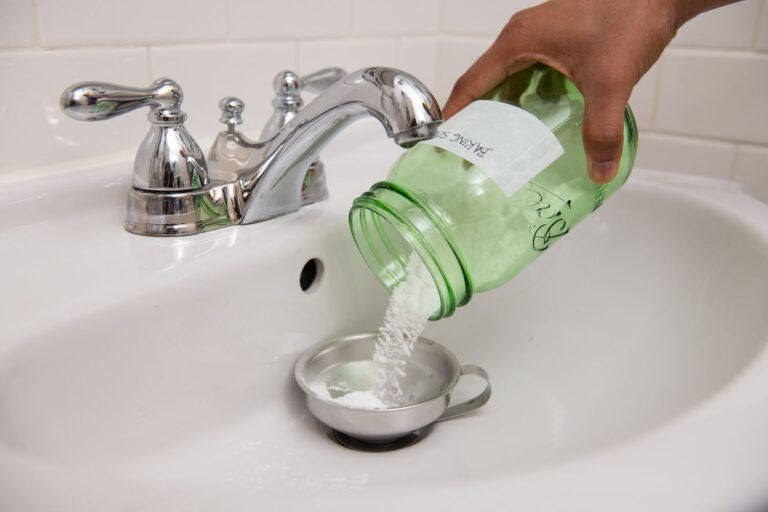
- A simple hot water and baking soda + vinegar flush handles mild clogs without harsh chemicals
- A plunger works for most standard clogs; a drain snake handles deeper blockages
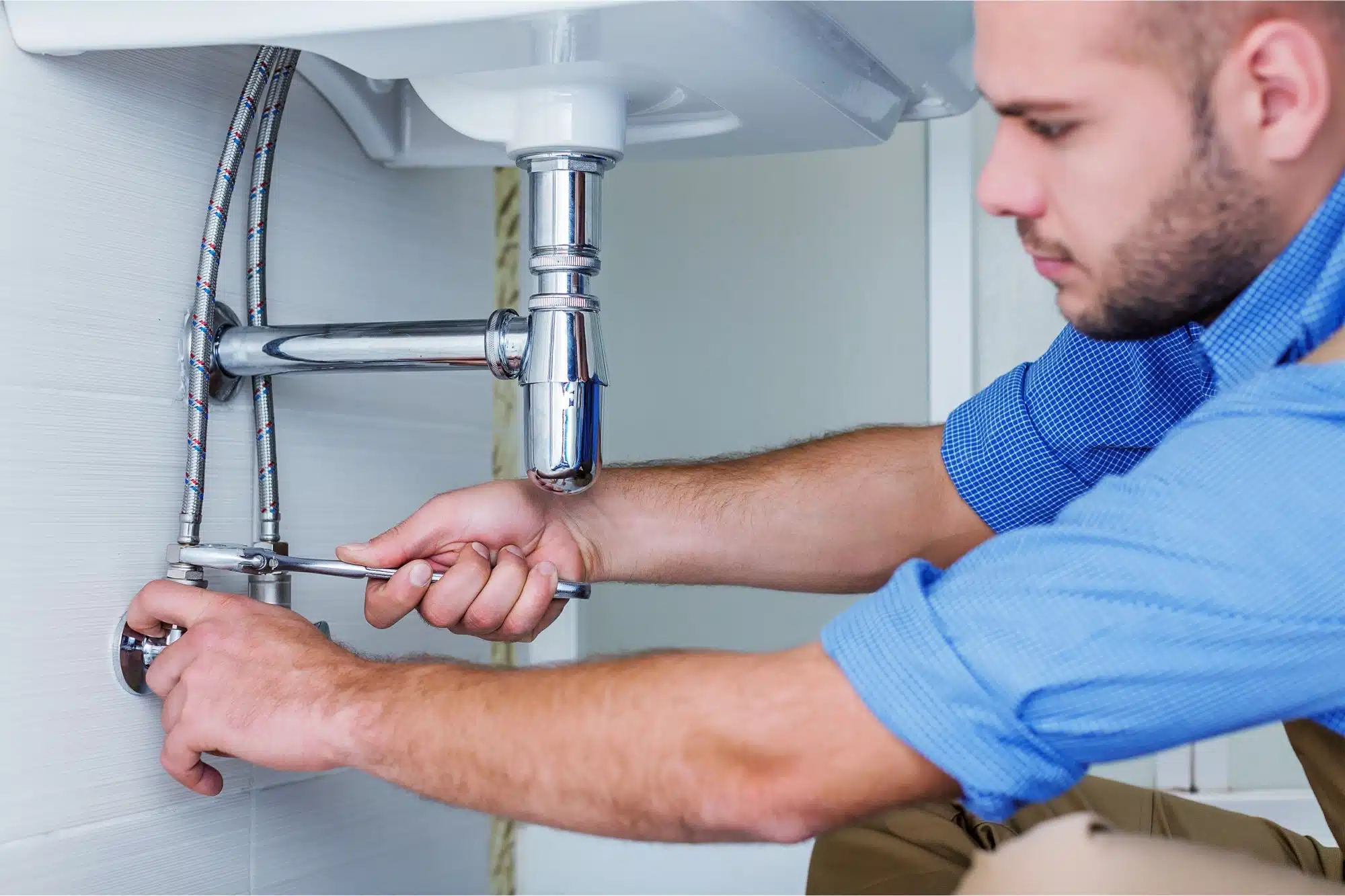
- Persistent, recurring clogs often indicate a deeper pipe issue, worth having a plumber inspect
I’d genuinely avoid relying on chemical drain cleaners too often — they’re harsh on older pipes, and I’ve noticed they often just push the clog further down rather than clearing it entirely.
Low Water Pressure Throughout the House
Featured answer: Low water pressure is commonly caused by mineral buildup in pipes or showerheads (especially in hard water areas), a partially closed main valve, or issues with the building’s overhead tank or pump. Cleaning aerators and showerheads resolves many minor cases without needing a plumber.
Has this ever happened to you — great pressure in one tap, barely a trickle in another, in the same house? That’s usually a localised blockage rather than a whole-system problem, and often just needs the aerator (the small mesh screen) unscrewed and cleaned of mineral deposits.
If pressure has dropped everywhere at once, check the main valve isn’t partially closed, and if you’re on an overhead tank system, confirm the tank is filling properly and the pump is functioning.
Running or Leaking Toilets
A toilet that keeps running after flushing wastes a genuinely surprising amount of water — sometimes hundreds of litres a day if left unaddressed.
- Check the flapper valve inside the tank — a worn or misaligned flapper is the most common cause
- Adjust the float mechanism if water level in the tank seems too high, causing continuous overflow into the bowl
- Replace the fill valve if adjusting the float doesn’t solve it — a reasonably straightforward DIY fix, parts cost ₹150-400
- Persistent leaking around the toilet base usually means a worn wax ring, which needs professional attention
Water Heater and Geyser Issues
Geyser problems are genuinely seasonal in most of India — they get ignored for months, then suddenly matter a lot when winter arrives and hot water stops working properly.
- No hot water often means a faulty heating element or thermostat, needing a technician
- Reduced hot water flow can be sediment buildup inside the tank, especially in hard water areas — periodic flushing helps
- Strange noises (popping, rumbling) usually indicate mineral deposits building up on the heating element
- Get geysers serviced annually, ideally before winter, rather than waiting for a failure
[link to related guide on seasonal home maintenance checklist here]
Pipe Leaks Behind Walls: The Sneaky, Expensive One
This is genuinely the plumbing problem I’d worry about most, because it’s often invisible until real damage has already happened.
Picture a small business owner in Jaipur who noticed a faint damp patch on her shop wall, assumed it was minor and left it a few months — by the time she called a plumber, the pipe had corroded significantly and the wall behind needed both plumbing and structural repair, costing far more than an early fix would have.
Watch for warning signs — damp patches, peeling paint, an unexplained musty smell, or an unusually high water bill. Any of these deserve an early plumber visit rather than a wait-and-see approach.
[link to related guide on signs your home needs urgent repairs here]
When to DIY vs When to Call a Plumber
Some fixes genuinely are DIY-friendly; others really aren’t worth the risk of making things worse.
- DIY-friendly: dripping taps, minor clogs, running toilets, cleaning showerhead mineral buildup
- Call a plumber: pipe leaks behind walls, no hot water, sewage backup, low pressure across the entire house, any gas geyser issue
[link to related guide on diy plumbing repairs you can do yourself here]
FAQ: Common Questions About Plumbing Problems
Why does my tap keep dripping even after I fixed it once? If it drips again shortly after a washer replacement, the valve seat inside the tap may be damaged and worn, which usually needs a plumber to properly resurface or replace.
What causes low water pressure in only one part of the house? Usually a localised blockage from mineral buildup in that specific tap or showerhead’s aerator, rather than a whole-system pressure problem.
How much does a basic plumbing repair cost in India? Simple fixes like washer replacement or minor clog clearing typically cost ₹200-500 including a plumber’s visit charge, while more involved repairs can run ₹1,000-3,000 or more.
Is it safe to use chemical drain cleaners regularly? Not ideal for regular use — they’re harsh on older pipes and don’t always fully clear clogs, so mechanical methods like plunging or a drain snake are generally safer long-term.
How do I know if a leak is behind the wall and not just a surface issue? Damp patches, peeling paint, musty smells, or an unexplained spike in your water bill are all signs of a possible hidden leak that needs professional inspection.
How often should I get my geyser serviced? Annually is a reasonable baseline, ideally just before winter when hot water demand increases and any underlying issues become more noticeable.
[link to related guide on how to prevent frozen pipes in winter here]
Wrapping It Up
Most common plumbing problems aren’t complicated once you know what’s actually causing them — worn washers, mineral buildup, or a stuck flapper valve cover a surprising number of household issues. The trick is catching the small signs early, before a minor drip or damp patch turns into something far more expensive.
If something’s been nagging at you — a slow drain, a slightly damp wall, a tap that’s dripped for weeks — that’s the thing to actually deal with this week, not next month.