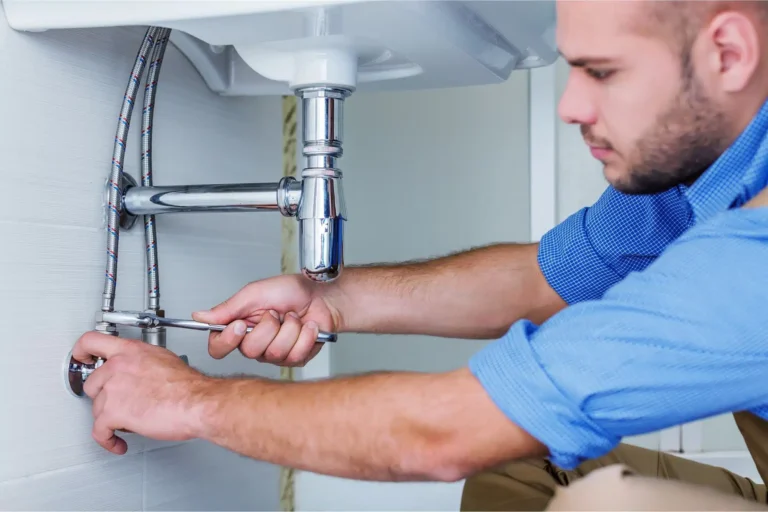
Water pooling around your feet in the shower, slowly draining instead of disappearing like it should — has this ever happened to you right before you’re rushing out the door? Most people’s first instinct is to grab a bottle of chemical drain cleaner off the shelf. Learning to unclog a drain naturally instead is genuinely worth knowing, both for your pipes and honestly for your own safety around those harsh fumes.
I switched to natural methods a few years back after a chemical cleaner left my bathroom smelling awful for two days and, worse, didn’t even fully clear the clog. Turns out a lot of these store-bought products just push gunk further down the pipe rather than actually breaking it apart. This guide covers the methods that genuinely work, using stuff most Indian kitchens already have, plus when it’s time to admit defeat and call a plumber.
Why Skip Chemical Drain Cleaners in the First Place
Featured answer: Chemical drain cleaners contain harsh corrosive compounds that can damage older pipes over repeated use, release strong fumes in enclosed bathrooms, and often only partially clear clogs by pushing debris further down rather than removing it. Natural methods are gentler on pipes and genuinely effective for most common household clogs.
I’d push back a little on how these products are marketed — “instant, powerful” sounds great, but repeated use genuinely corrodes older metal pipes over time, which a lot of Indian homes still have.
There’s also the fume issue. Using these in a small, poorly ventilated bathroom isn’t great for anyone breathing that air, especially with the door closed and the window shut, which is exactly how most Indian bathrooms are set up.
The Baking Soda and Vinegar Method
This is the classic, and honestly the one that’s worked best for me across different types of clogs.
- Pour about half a cup of baking soda directly into the drain
- Follow with half a cup of vinegar — it’ll fizz immediately, which is the reaction actually breaking down grime
- Cover the drain (a cloth or plug works) and let it sit for 15-20 minutes
- Flush with a kettle of boiling water to clear the loosened debris
The fizzing reaction genuinely helps dislodge grease and soap scum stuck to pipe walls. It’s not instant like a chemical product claims to be, but it works reliably for mild to moderate clogs without any of the downsides.
Boiling Water: The Simplest First Step
Featured answer: Boiling water alone can clear minor clogs caused by grease or soap buildup by melting and loosening the blockage. Pour it slowly in two to three stages, letting the water drain between pours, for the best results on mild kitchen or bathroom clogs.
Has this ever happened to you — a slow drain that’s more “sluggish” than fully blocked? That’s often just hardened grease or soap residue, and boiling water alone can genuinely fix it without needing anything else.
Don’t pour it all in one go. Do it in stages, letting each pour drain fully before adding more, since a single flood of water can just sit on top of a stubborn clog without actually working through it.
Salt and Baking Soda Combination
For tougher kitchen sink clogs, particularly ones with grease buildup, this combination works a bit more aggressively than baking soda and vinegar alone.
- Mix half a cup of table salt with half a cup of baking soda
- Pour the dry mixture directly into the drain
- Let it sit for a few hours, ideally overnight
- Flush thoroughly with boiling water the next morning
The salt adds an abrasive quality that helps break down grease deposits the vinegar method sometimes struggles with on its own.
Using a Plunger or Drain Snake
Natural doesn’t have to mean liquid solutions only — mechanical methods count too, and honestly work faster for genuinely stubborn clogs.
- A cup plunger works well for sink and tub drains; make sure there’s enough water to create suction
- A flat-bottomed plunger suits toilet clogs better than a standard cup plunger
- A simple drain snake or wire coat hanger (bent into a hook) can physically pull out hair clogs, especially in bathroom drains
- Combine mechanical removal with a baking soda flush afterward to clear any remaining residue
Picture a small business owner in Jaipur whose staff bathroom drain kept slowing down every few weeks — turned out a build-up of hair was the real culprit, something a chemical cleaner never fully addressed. A cheap ₹150 drain snake pulled out the actual clog in minutes, and it hasn’t recurred since.
[link to related guide on common plumbing problems and how to fix them here]
Preventing Clogs Before They Happen
The best way to unclog a drain naturally is honestly not needing to in the first place.
- Never pour cooking oil or grease down kitchen drains — let it cool and dispose of it in the trash instead
- Use a drain strainer or mesh cover in bathroom and kitchen sinks to catch hair and food debris
- Flush drains with hot water weekly as light preventive maintenance
- Avoid letting soap residue build up by rinsing drains thoroughly after use
[link to related guide on eco friendly cleaning products for your home here]
When Natural Methods Aren’t Enough
Sometimes a clog is genuinely too deep or too severe for home remedies, and that’s fine — it’s not a failure of the method, just a sign of a bigger blockage.
If you’ve tried baking soda, boiling water, and a plunger without success, or if multiple drains in the house are slow simultaneously, that usually points to a deeper pipe issue that needs a plumber’s snake or camera inspection rather than repeated home attempts.
[link to related guide on diy plumbing repairs you can do yourself here]
FAQ: Common Questions About Unclogging Drains Naturally
Does the baking soda and vinegar method actually work? Yes, for mild to moderate clogs caused by grease and soap buildup — it’s not as instant as chemical cleaners, but it’s genuinely effective and much gentler on pipes.
Is boiling water safe for all types of pipes? It’s generally safe for metal pipes, but use caution with PVC pipes, since very hot water repeatedly can soften plastic joints over time — warm to hot, rather than fully boiling, is safer for PVC.
How long should I let baking soda and vinegar sit before flushing? 15-20 minutes is usually enough for the fizzing reaction to break down grime, though leaving it up to an hour can help with tougher clogs.
Can natural methods unclog a fully blocked drain? They work well for partial clogs and slow drains, but a fully blocked drain often needs mechanical removal (plunger or drain snake) alongside natural flushing methods.
Are chemical drain cleaners bad for septic systems? Yes, generally — harsh chemicals can disrupt the natural bacterial balance needed for septic systems to function properly, making natural methods a safer choice for homes not on municipal sewage.
How often should I do preventive drain maintenance? A weekly hot water flush and monthly baking soda treatment is a reasonable routine to prevent buildup before it turns into a full clog.
[link to related guide on eco friendly cleaning products for your home here]
Wrapping It Up
Learning to unclog a drain naturally isn’t just about avoiding chemicals for their own sake — it genuinely works for most common household clogs, costs next to nothing, and doesn’t leave your bathroom smelling like a chemistry lab for two days afterward.
Next time a drain starts running slow, reach for the baking soda and vinegar first before grabbing a chemical bottle. Save the plumber’s number for the clogs that genuinely need more than a kitchen-cupboard fix.