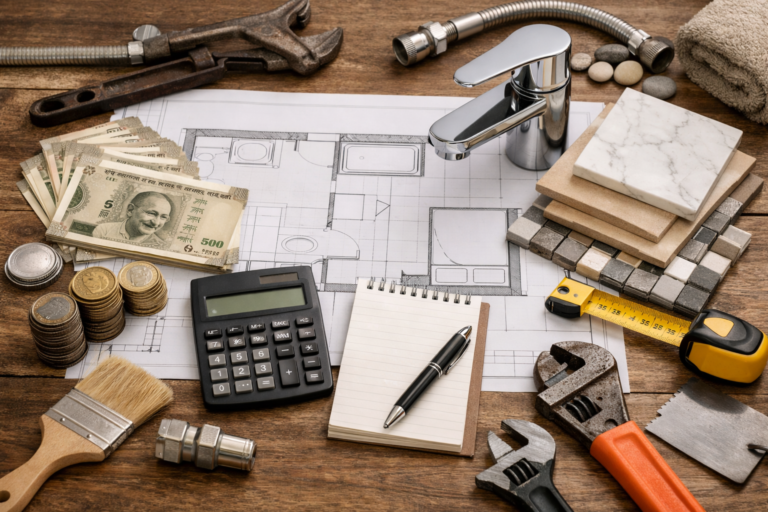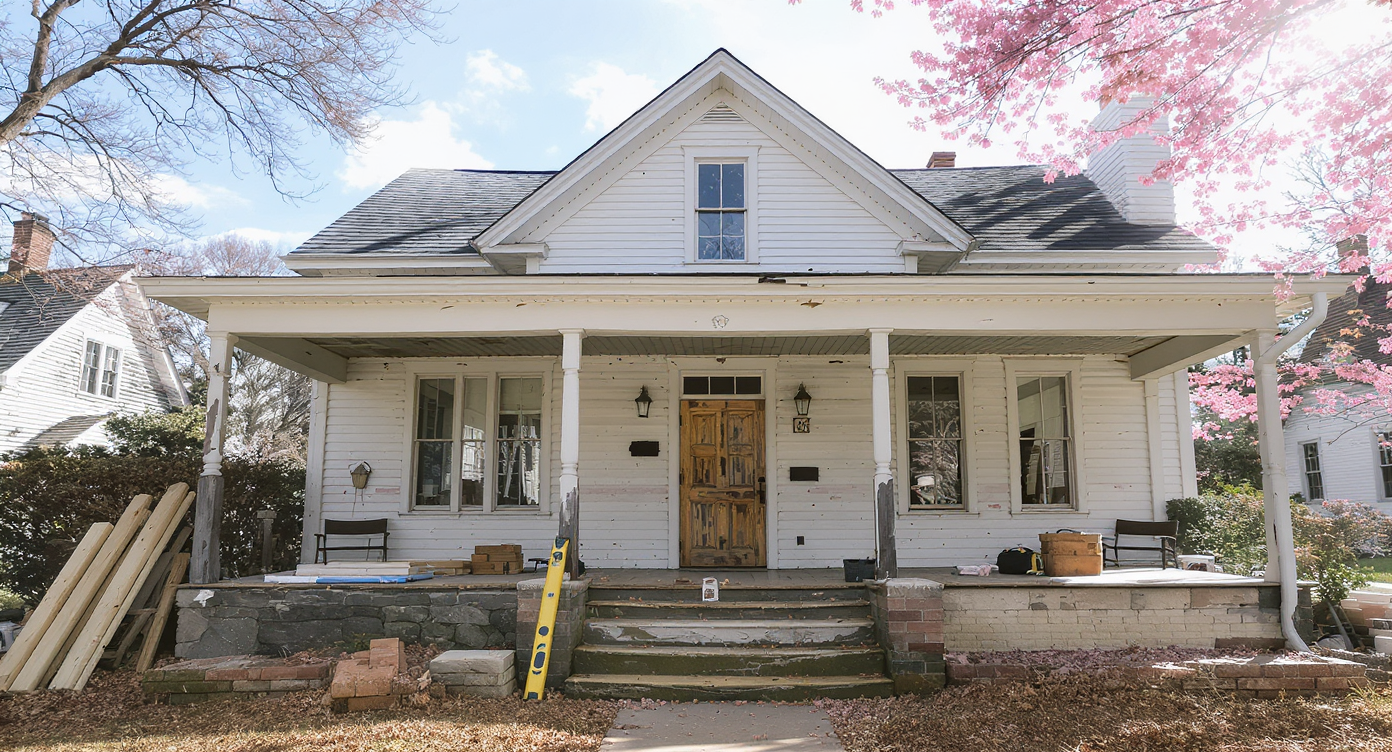
You’ve just bought (or inherited) an old house, and now you’re standing in it wondering what on earth to do first. Peeling paint over here, a wobbly staircase railing over there, wiring that predates your birth certificate. Renovating an old house is genuinely a different beast from a fresh flat renovation, and starting in the wrong place can waste both time and money fast.
I helped my parents renovate their 35-year-old family home a few years ago, and the biggest lesson from that whole process was this — cosmetic decisions come dead last, not first. Everyone wants to jump straight to picking tile colours and paint shades. Understandable, that’s the fun part. But an old house has structural and systems issues that need sorting before any of that matters. This guide walks through the actual order of priorities, based on what genuinely goes wrong when people skip steps.
Start With a Proper Structural Inspection
Featured answer: Before renovating an old house, get a structural inspection covering foundation condition, load-bearing walls, roof integrity, and dampness. This typically costs ₹5,000-15,000 in India but can save lakhs by catching serious issues before cosmetic work begins.
I’ve noticed people skip this step because it feels like spending money without visible results. That’s exactly the wrong instinct. A structural engineer can tell you if that crack running along the ceiling is cosmetic or something genuinely worrying, and no amount of fresh paint fixes a foundation problem.
Older houses, especially anything over 25-30 years, often have issues with concrete degradation, rusted rebar, or settling foundations that aren’t visible to an untrained eye. Get this checked first, before you commit money to anything else.
Check the Electrical Wiring Before Anything Cosmetic
Old wiring is genuinely one of the biggest risks in renovating an old house, and it’s often invisible until something goes wrong.
- Houses wired before the 1990s frequently used wiring that doesn’t meet current safety standards
- Aluminium wiring, common in older Indian homes, is more fire-prone than modern copper wiring
- Overloaded circuits from years of adding appliances without upgrading the panel are extremely common
- Old wiring insulation degrades over decades and becomes brittle, increasing short-circuit risk
Get a licensed electrician to fully audit the wiring before you paint over walls or lay new flooring — because once tiles and paint go up, accessing wiring again means tearing all of it out.
Plumbing: The Problem You Can’t See Until It’s Too Late
Featured answer: Old plumbing, particularly galvanized iron pipes common in houses built before the 1990s, corrodes internally over decades and can cause both water pressure issues and hidden leaks. A plumbing inspection before renovation typically costs ₹2,000-5,000 and can prevent expensive water damage later.
Picture a small business owner in Jaipur who bought an old commercial building for her shop — renovated the interior beautifully, opened for business, and within four months discovered a corroded pipe had been slowly leaking into the wall the entire time. The mould damage cost more to fix than the entire original renovation.
Galvanized iron pipes, common in older construction, rust from the inside out. You often can’t tell just by looking at the exterior. If your house predates the 1990s, budget for a plumbing check and likely replacement of at least the oldest sections.
Roof and Waterproofing Come Before Interiors
There’s genuinely no point spending on beautiful interiors if the roof is compromised. Water damage from above ruins everything below it, sometimes slowly enough that you won’t notice until the interior work is already done.
- Check for visible cracks, discoloration, or sagging on the roof and ceiling
- Test waterproofing before monsoon season if possible, not after damage already shows
- Replace old roof tiles or sheets showing wear, rather than patching repeatedly
- Address terrace waterproofing separately if it hasn’t been redone in over 10 years
[link to related guide on how long does a home renovation take here]
Dealing with Dampness and Old Wall Issues
Older houses frequently have dampness issues from ageing waterproofing, ground moisture, or simply decades of monsoons taking their toll. Painting over a damp wall without addressing the underlying moisture problem is a waste of money — the damp patch usually reappears within a year.
Get walls properly dried and treated with waterproofing compounds before any fresh plaster or paint goes on. [link to related guide on choosing the right paint finish here]
Once Structure and Systems Are Sorted, Then Go Cosmetic
Only after structural, electrical, plumbing, and roofing issues are addressed should you move to the fun part — flooring, paint, fixtures, layout changes.
- Decide which original features are worth preserving (old wooden doors, jaali work, cornices) versus replacing
- Old houses often have genuinely good bones — solid wood, high ceilings — that newer construction doesn’t always match
- Balance preserving character with practical modern needs like better lighting or updated kitchens
Budgeting for an Old House Renovation
Old house renovations typically run 20-40% higher than equivalent work on a newer structure, purely because of the structural and systems issues that surface along the way. Budget accordingly, and keep a genuinely healthy contingency fund — 20-25% rather than the usual 15%.
[link to related guide on how to plan a home improvement budget here]
FAQ: Common Questions About Renovating an Old House
How do I know if an old house is worth renovating? Get a structural inspection first — if the foundation and load-bearing structure are sound, most other issues (wiring, plumbing, cosmetic wear) are fixable and worth the investment.
What should I check first before renovating an old house? Structural integrity, electrical wiring, and plumbing condition should all be inspected before any cosmetic work begins, since these issues are far more expensive to fix after finishes are in place.
Is it cheaper to renovate an old house or build new? It depends on the extent of structural damage — renovating is usually cheaper if the foundation and structure are sound, but extensive structural repair can sometimes approach the cost of new construction.
How long does renovating an old house typically take? Old house renovations often take 3-6 months or longer, depending on how many hidden structural, electrical, or plumbing issues surface once work begins.
Should I rewire an entire old house or just parts of it? If the house predates the 1990s or shows signs of aluminium wiring, a full rewiring is usually safer and more cost-effective long-term than patching sections repeatedly.
Can I live in an old house while it’s being renovated? It’s possible for smaller, phased renovations, but for major structural, electrical, or plumbing work, temporarily relocating is usually safer and lets the work move faster.
[link to related guide on signs your home needs urgent repairs here]
Wrapping It Up
Renovating an old house rewards patience over excitement. Structure first, systems second, cosmetics last — skip that order and you risk covering up problems that just resurface later, more expensive to fix than if you’d caught them early.
Before you buy a single tin of paint, get the structural, electrical, and plumbing inspections done. It’s not the exciting part of the process, but it’s genuinely the part that protects everything you spend on the exciting parts afterward.