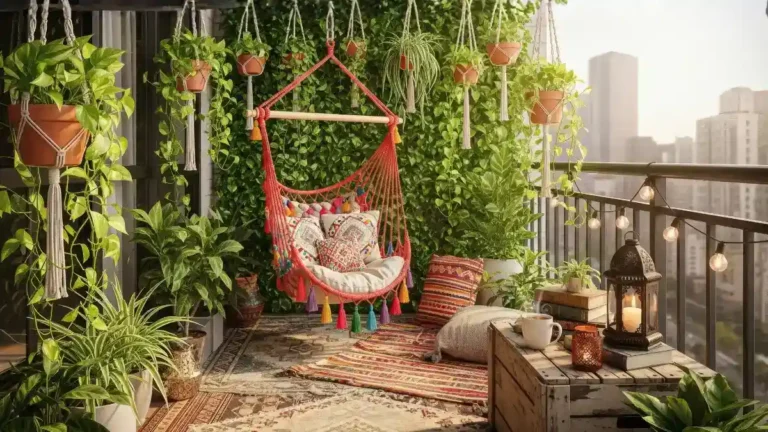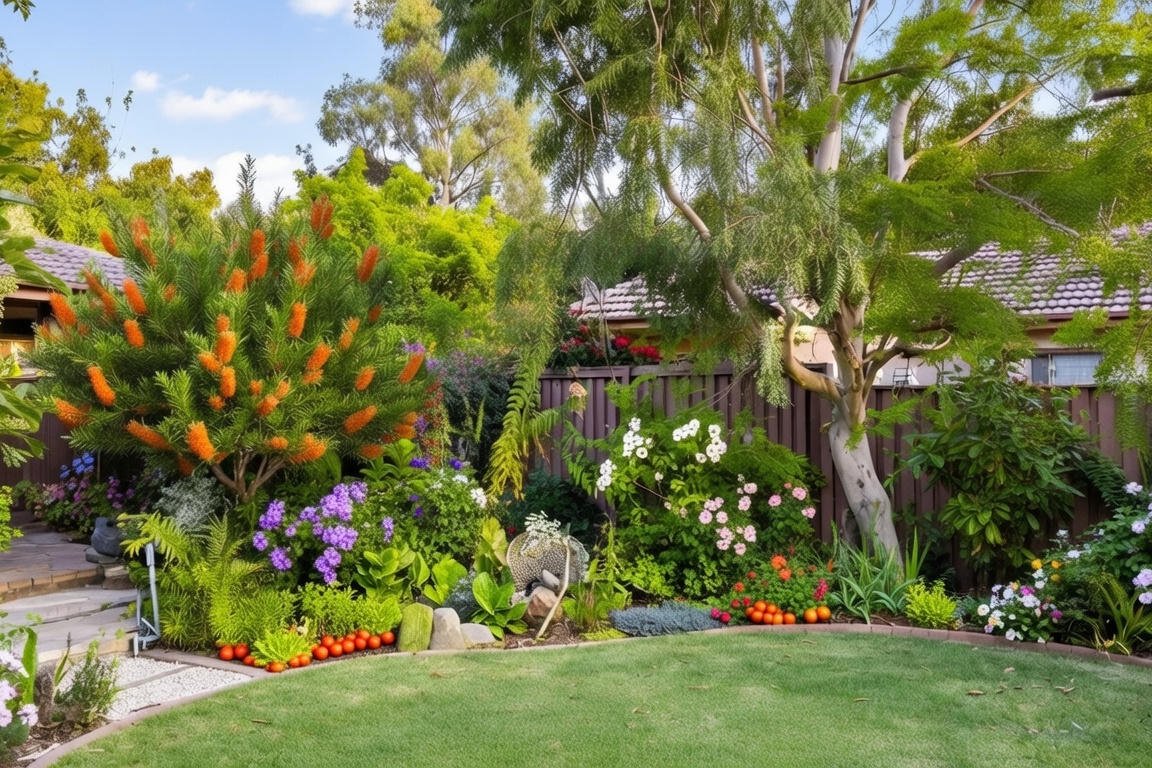
Between work calls, school pickups, and the thousand other things on your plate, who has time to babysit a garden? If you’ve ever stood over a wilting rose bush wondering where you went wrong, you’re not alone. The good news is that low maintenance garden ideas exist for exactly this reason — they let you have a garden that looks cared for even on the weeks you barely step outside.
I’ve killed my fair share of plants over the years. Ferns, mostly. Turns out I was watering them like they were succulents. That’s the thing about gardening — half the “low maintenance” advice out there assumes you already know your soil type, your sun exposure, your everything. This guide doesn’t. It just gives you things that actually work.
What Makes a Garden Truly Low Maintenance?
Low maintenance garden ideas all share a few traits: drought tolerance, slow growth, and forgiveness. A forgiving plant doesn’t sulk if you forget it for ten days. That’s really the whole secret — pick plants that survive your real life, not the life you wish you had.
It’s not about having no garden at all. It’s about choosing the right combination of plants, ground cover, and layout so nature does most of the work for you. Less pruning, less watering, fewer trips to the nursery to replace something that didn’t make it.
Signs Your Current Garden Is High Maintenance
- Grass that needs mowing every single week
- Flower beds that need constant weeding
- Plants requiring daily watering in summer
- Anything that needs pesticide spraying on a schedule
- Hedges that need shaping more than once a month
If three or more of these sound familiar, it might be time for a redesign.
Choose Native and Drought-Tolerant Plants
This is genuinely the single biggest lever you can pull for a low maintenance garden. Native plants are adapted to your local rainfall and soil — they don’t need the constant babying that imported ornamentals do.
For most Indian climates, think bougainvillea, hibiscus, marigold, and aloe vera. These handle heat, need minimal watering once established, and honestly look fantastic doing it. I’ve noticed that bougainvillea in particular gets ignored because people think it’s “too common” — but a well-shaped one climbing a boundary wall looks anything but basic.
A few reliable options by region:
- Hot, dry climates (Rajasthan, Gujarat): aloe vera, cacti, bougainvillea, neem saplings
- Humid coastal areas (Mumbai, Chennai): hibiscus, croton, areca palm
- North Indian plains: marigold, periwinkle, money plant
Skip anything labeled “delicate” on the nursery tag. If it needs a greenhouse to survive, it needs you more than you need it.
Go Big on Mulch and Ground Cover
Here’s a direct answer for anyone in a hurry: mulching a garden bed with 2-3 inches of organic material (dried leaves, wood chips, coconut husk) cuts watering needs by roughly 30% and blocks most weed growth, saving hours of manual weeding every month.
Mulch isn’t glamorous. Nobody posts mulch on Instagram. But it’s doing more heavy lifting than almost anything else in this list. It keeps soil moisture locked in, regulates temperature, and — this is the part people underestimate — it physically smothers weed seeds before they sprout.
Ground covers like creeping thyme or dwarf jasmine do a similar job while adding some green texture. Plant them once, and they spread to fill gaps where weeds would otherwise take over. [link to related guide on mulching techniques here]
Replace Lawn With Gravel, Stone, or Artificial Turf
Lawns are, without question, the highest-maintenance feature most homes have. Weekly mowing, constant watering, fertilizing, the works. If you’re serious about a low maintenance garden, this is where the biggest change happens.
Consider replacing part of your lawn with:
- Gravel pathways with potted plants along the edges
- Flagstone or paver sections for seating areas
- Artificial turf for small patches (surprisingly realistic these days, and prices have dropped a lot since 2020)
- A mix of all three, broken up by borders
Picture a small business owner in Jaipur who converted half his backyard lawn to a gravel-and-succulent layout. His water bill dropped noticeably, and weekend mowing simply stopped being a chore he had to think about. That’s the kind of trade-off worth making.
Install a Drip Irrigation System
Manual watering is where most people lose their Sunday mornings. A drip irrigation system with a basic timer solves this almost completely — set it once, forget it for months.
These systems cost anywhere from ₹3,000 to ₹15,000 depending on garden size, and they pay for themselves in water savings within a year or two. Set it for early morning, before the heat kicks in, and you’re basically done.
Why Timing Matters More Than People Think
Watering at 7 AM instead of noon can reduce evaporation loss by up to 50%. Same amount of water, way less waste. It’s a small tweak that makes a real difference.
Use Raised Beds and Containers
Raised beds and container gardens are easier to control than open ground — better drainage, fewer weeds, and no bending over for hours. They’re also flexible: rearrange them whenever the mood strikes, without redoing your whole layout.
A few practical notes:
- Terracotta pots dry out faster than plastic ones, so factor that into watering
- Raised beds should be at least 12 inches deep for most vegetables and flowering plants
- Group pots by watering needs, not by looks — it saves you from over or under-watering half of them
Does this sound like more effort upfront? Maybe a little. But it pays back fast in reduced weekly work.
Add Perennials Instead of Annuals
Annuals need replanting every single season. Perennials come back on their own, year after year, with a fraction of the effort. If you want a genuinely low maintenance garden, this swap alone changes everything.
Good perennial choices include lantana, plumbago, and daylilies — all of which handle Indian summers reasonably well and need pruning maybe twice a year, not twice a month.
Keep Hardscaping Simple and Functional
Direct answer: simple hardscaping — clean pathways, defined borders, and a couple of seating spots — reduces long-term maintenance because there’s less green material to manage and fewer edges for weeds to creep into.
Overly elaborate garden designs with lots of curves and small planting pockets look nice in photos but are a nightmare to actually maintain. Straight lines and clear zones are your friend here, even if it feels a bit boring on paper.
Automate What You Can
Smart water timers, solar-powered garden lights, even simple moisture sensors — these small additions remove decision fatigue from your routine. You’re not checking soil moisture by hand anymore; the sensor tells you. [link to smart gardening gadgets guide here]
This isn’t about turning your garden into a tech project. It’s about removing the guesswork that leads to over-watering, under-watering, or just forgetting altogether.
Frequently Asked Questions
Q: What is the easiest low maintenance plant for Indian homes? Aloe vera is hard to beat. It survives neglect, needs almost no watering, and even has practical uses beyond looking good.
Q: How often should I water a low maintenance garden? Most drought-tolerant plants need watering twice a week in summer and once a week in cooler months. Established natives often need even less.
Q: Can artificial turf really replace a real lawn? For small to medium patches, yes — quality has improved a lot, and it needs zero mowing or watering. Just avoid it for large open lawns where it can look flat and uniform.
Q: Is mulching necessary for every garden? Pretty much, yes. Even a thin layer helps retain moisture and block weeds, and the cost is minimal compared to the time it saves.
Q: What’s the biggest mistake people make with low maintenance gardens? Overcrowding beds with plants that all have different watering needs. Group similar plants together instead — it makes care so much simpler.
Q: Do low maintenance gardens cost more upfront? Sometimes, yes — drip irrigation and raised beds have setup costs. But most homeowners recover that within a year or two through lower water bills and less time (and money) spent replacing dead plants.
Conclusion
A garden that thrives without constant attention isn’t a fantasy — it just takes the right choices up front. Native plants, mulch, drip irrigation, and a simpler layout will get you most of the way there. None of this requires a landscaping degree, just a willingness to swap fussy plants for forgiving ones.
Start small. Pick one section of your yard this weekend — maybe the bed that’s given you the most trouble — and apply two or three ideas from this list. You’ll notice the difference by next month, and honestly, so will your weekends.