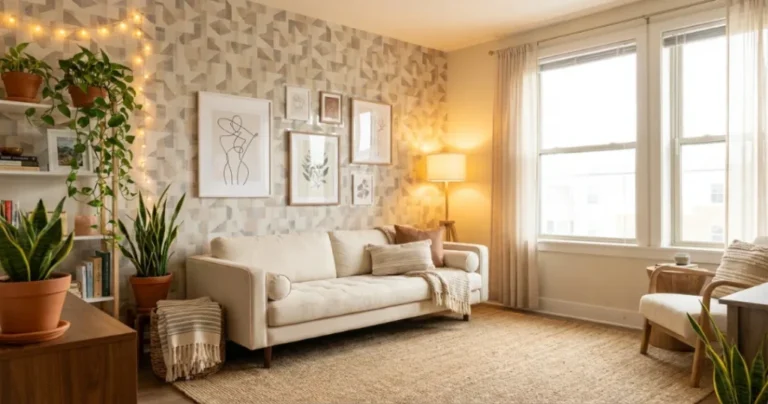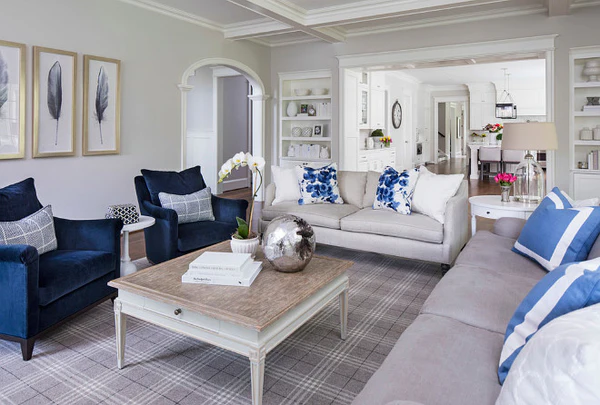
Every home eventually ends up with a mismatched set of furniture — a grandmother’s old wooden chest next to a sleek modern sofa, or an inherited teak dining table paired with contemporary metal chairs. Learning to mix and match furniture styles properly is what turns that accidental mismatch into something that actually looks intentional.
I used to think mixing styles meant just throwing whatever fit into a room and hoping for the best. That approach failed spectacularly in my first apartment — it looked less “eclectic” and more like a furniture showroom clearance sale. There’s a method to doing this well, and it’s simpler than most design blogs make it sound.
This covers the actual rules that make mixed furniture styles work, not just vague inspiration.
Why Mixing Furniture Styles Works Better Than Matching Everything
Direct answer: mixing furniture styles creates visual interest, allows flexibility to add pieces over time, and avoids the flat, showroom-like look that comes from buying an entire matching set. The key is maintaining consistency through color, material, or scale even when styles differ.
A perfectly matched furniture set often looks impersonal, honestly — like nobody actually lives there. Mixed styles, done right, tell a story about the people who use the space.
Start With One Anchor Piece
Every room that successfully manages to mix and match furniture styles usually has one dominant piece that sets the tone. This could be a large sofa, a statement dining table, or even an antique cabinet passed down through the family.
Once you’ve picked your anchor, everything else gets chosen to complement it, not compete with it. If your anchor is a heavy, traditional wooden almirah, lighter, more modern pieces around it will balance the room rather than clash with it.
Picture a family in Jaipur who inherited a beautifully carved rosewood console table. Rather than matching it with equally ornate furniture throughout, they paired it with simple linen sofas and minimalist metal side tables. The console became the room’s focal point instead of getting lost among competing styles.
Use a Consistent Colour Palette
This is probably the single easiest way to make mixed styles work without feeling chaotic. Even wildly different furniture styles look cohesive when they share a color story.
A few approaches that work well:
- Stick to 2-3 main colors across the room, letting furniture styles vary within that palette
- Use wood tones as your unifying thread — a mid-century chair and a traditional table can coexist if their wood finishes are similar
- Let one bold color (a rug, an accent chair) tie together otherwise neutral, varied pieces
Has this ever happened to you? A room with beautiful individual furniture pieces that somehow looks disjointed as a whole. Usually, that’s a color consistency problem, not a style clash problem.
Balance Scale and Proportion
Mixing a delicate, spindly-legged chair with a heavy, oversized sofa rarely works — not because the styles clash, but because the scale doesn’t match. This matters more than people realize when they’re trying to mix and match furniture styles.
Keep these proportion rules in mind:
- Pair heavier pieces with other medium-to-heavy pieces, even across different styles
- Balance one large statement piece with smaller, simpler items around it, not multiple competing large pieces
- Keep sightlines clear — avoid clustering visually “busy” furniture in the same corner
Combine Traditional and Modern Pieces Thoughtfully
This particular combination has become genuinely popular in Indian homes over the last few years, and for good reason — it respects family heirlooms while keeping the space feeling current.
A traditional carved wooden bed frame paired with sleek, modern bedside tables works beautifully. Similarly, an antique brass lamp on a clean, minimalist console table creates contrast without conflict.
I’ll be honest, this combination takes a slightly more careful eye than sticking to one style throughout. But the payoff — a room that feels layered and personal rather than generic — is worth the extra thought.
Mixing Materials for Visual Texture
Combining materials — wood, metal, glass, rattan — adds depth to a room in a way that single-material furniture rarely achieves. A glass-top coffee table with a wooden base, next to a rattan accent chair, creates texture without needing to match exact styles.
[link to related guide on choosing flooring for home here]
A quick word of caution though: too many materials competing in a small space can look cluttered fast. Two or three material types per room is usually the sweet spot.
Common Mistakes When Mixing Furniture Styles
A few things that tend to go wrong, based on what I’ve seen (and done myself, unfortunately):
- Mixing too many bold patterns at once — pick one statement pattern, keep the rest simple
- Ignoring proportion, ending up with furniture that feels randomly assembled rather than curated
- Ignoring the room’s natural light and color temperature, which affects how wood tones and fabrics actually appear
- Trying to force a theme (like “industrial meets bohemian”) instead of letting pieces you genuinely love guide the room naturally
How to Mix Furniture Styles on a Budget
You don’t need to buy everything new to pull this off well. Secondhand markets, family hand-me-downs, and even repainting or reupholstering existing pieces can help them fit a new color scheme without a full furniture overhaul.
A can of good quality furniture paint (roughly ₹400-800) can transform an outdated wooden chair into something that fits a completely different aesthetic, at a fraction of buying new.
Frequently Asked Questions
Q: Is it okay to mix modern and traditional furniture in the same room? Yes, and it’s actually a popular design approach — just anchor the mix with a consistent color palette or wood tone to keep it cohesive.
Q: How many furniture styles can I mix in one room? Two to three styles work best. Beyond that, a room tends to feel cluttered rather than intentionally eclectic.
Q: What’s the easiest way to start mixing furniture styles? Pick one anchor piece you love, then choose complementary items around it based on color and scale rather than matching style exactly.
Q: Does mixing furniture styles work in small spaces? Yes, though it’s worth being more selective — fewer, well-chosen mixed pieces work better than several competing statement items in a small room.
Q: How do I make inherited or old furniture fit a modern room? Repainting, reupholstering, or pairing it with simpler modern pieces around it usually integrates older furniture without losing its character.
Q: What colors work best when mixing furniture styles? Neutral bases (white, beige, grey) with one or two accent colors repeated across pieces tend to unify mixed styles most effectively.
Conclusion
Learning to mix and match furniture styles really comes down to a few consistent threads — color, scale, and one clear anchor piece — rather than any rigid style rulebook. Done thoughtfully, a mixed room feels more personal and lived-in than anything bought as a matching set.
Next time you’re eyeing a new piece, don’t ask if it matches what you already have. Ask if it complements the color and proportion of your anchor piece instead. That single shift in thinking makes mixing styles far less intimidating.