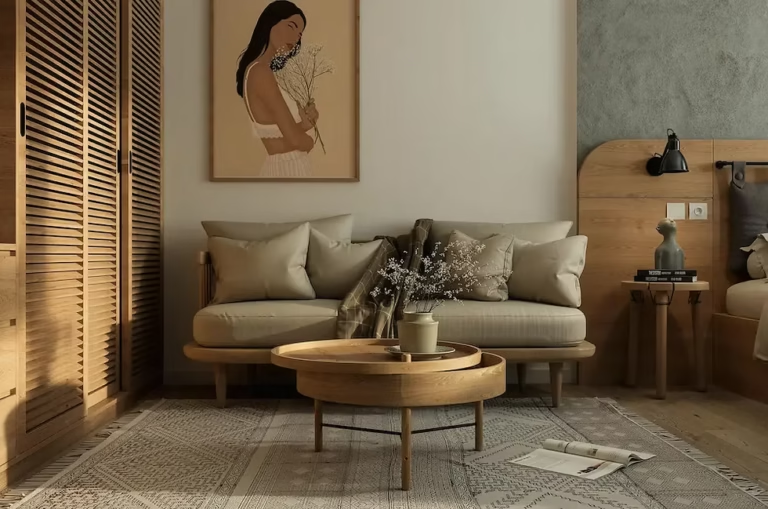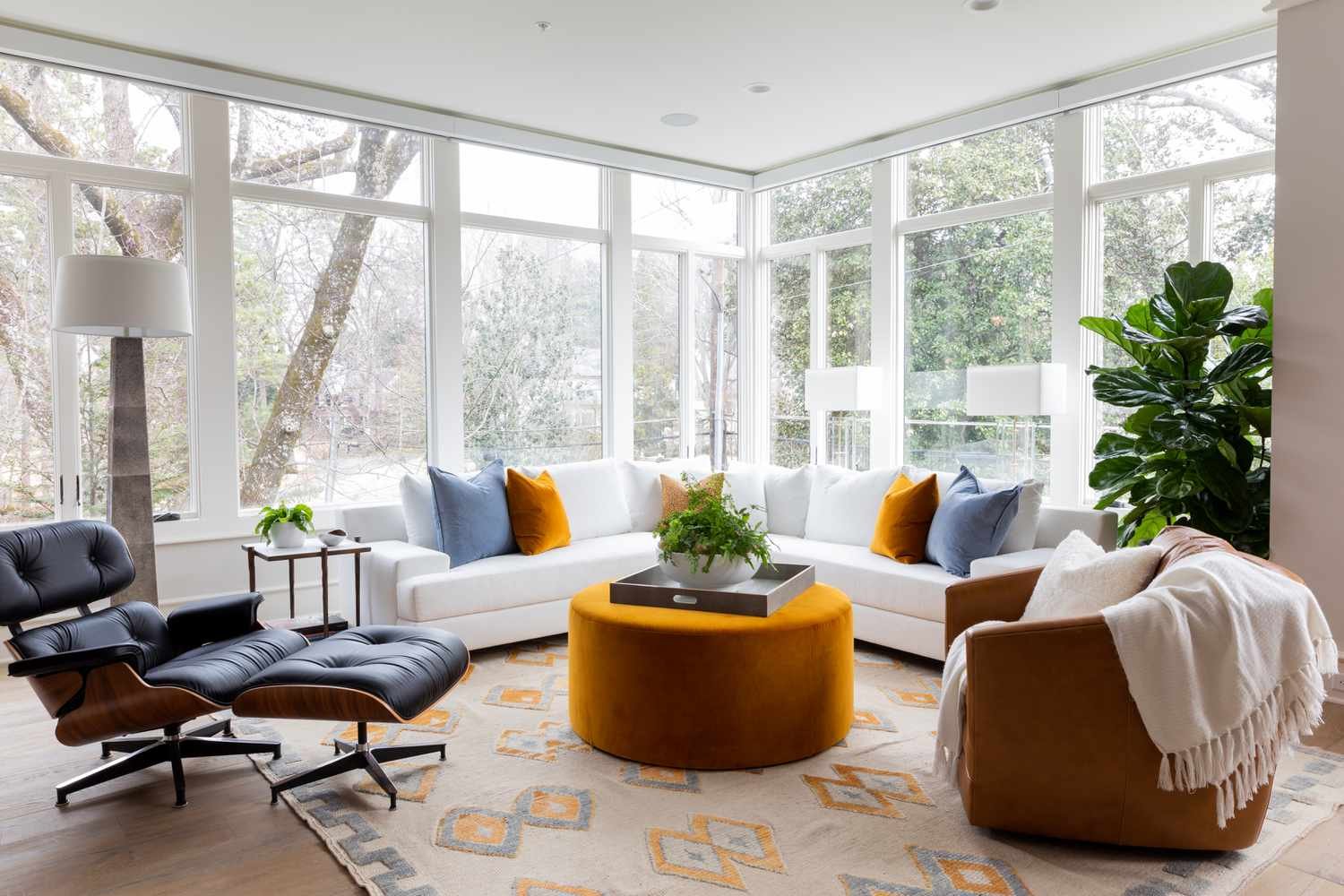
You know that feeling when you open a cupboard and stuff just falls out? Yeah, that was me about two years ago. That’s roughly when I got serious about minimalist home design, mostly out of frustration rather than any grand design philosophy. Turns out you don’t need a fancy background or a big budget to make it work — just a willingness to get rid of things you thought you needed.
This isn’t going to be one of those posts telling you to own 50 items total or live out of a suitcase. That’s extreme, and honestly kind of impractical for most Indian households where three generations sometimes share a home. This is a realistic starting guide for 2026, for people who just want less chaos and more breathing room.
What Minimalist Home Design Actually Means
Here’s the direct answer: minimalist home design is about keeping only what serves a clear purpose or brings real value, then arranging it with intention. It’s not about empty rooms — it’s about removing the noise so what’s left actually matters.
A lot of people think minimalism means white walls and zero decoration. It doesn’t have to. I’ve seen minimalist homes with warm wood tones, plants, even bold art on one wall — the key is that nothing’s there by accident. Every object earns its place.
The philosophy actually borrows a lot from Japanese design thinking, where negative space is treated as valuable, not wasted. If you’re curious about that angle specifically, [link to related guide on japandi style design here] goes deeper into it.
Start With Decluttering, Not Decorating
This is where most beginners go wrong. They buy new furniture or storage baskets before removing anything. Wrong order.
Go room by room. Pick up each object and ask honestly: have I used this in the last six months? If not, and it’s not sentimental or seasonal, it probably needs to go.
A few practical rules that helped me:
- Anything with duplicates — three phone chargers, five coffee mugs you never use — pick your favorite, donate the rest
- Clothes you haven’t worn in a year get sorted into a donate pile immediately, no “maybe later”
- Papers and documents: digitize what you can, shred what you can’t
- Kitchen gadgets used less than twice a month usually aren’t worth the shelf space
Don’t try to do the whole house in one weekend. That’s how people burn out and quit halfway. I did my house room by room over about six weeks, and it felt way more sustainable.
Choosing a Color Palette for Minimalist Homes
A minimalist home design color palette usually sticks to 2-3 base tones — a neutral wall color, one warm wood or accent tone, and maybe a single deeper shade for contrast. This keeps the eye calm and makes rooms feel bigger than they are.
White isn’t mandatory, and honestly, I think it gets recommended too often. Warm greys, soft beige, even a muted terracotta can work just as well and feel less clinical. What matters more is consistency — jumping between five different wall colors across your home breaks the whole effect, no matter how “neutral” each one is individually.
Quick Palette Formula
- Pick one neutral (off-white, warm grey, sand)
- Add one natural material tone (wood, cane, stone)
- Choose one accent color, used sparingly — a cushion, a vase, one wall
Furniture Choices That Support a Minimalist Look
Furniture in a minimalist home should do more than one job whenever possible. A storage ottoman instead of a plain stool. A bed frame with drawers underneath instead of a separate chest.
Fewer, better pieces beat lots of cheap ones — this is probably the single biggest lesson I’d pass on. A solid wood dining table that lasts fifteen years is a better investment than three cheap ones you’ll replace along the way, even if the upfront cost stings more.
Picture a young couple furnishing their first 2BHK in Pune on a tight budget. Instead of filling every corner immediately, they buy one good sofa, live with the empty spaces for a few months, and add pieces only when they actually feel the need. That patience is basically the whole minimalist mindset in action.
Avoid ornate carvings or bulky upholstery — clean lines and visible material (wood grain, matte metal) tend to read as calmer and more intentional.
Storage Solutions That Actually Work
Minimalist home design leans heavily on hidden or built-in storage rather than visible clutter. If storage is out of sight, the room stays visually calm even when your closets aren’t perfectly organized.
Some ideas that work well in Indian homes specifically:
- Wall-mounted shelving instead of bulky bookcases — frees up floor space
- Under-bed storage boxes for seasonal clothes or extra linens (₹500–₹1,200 for decent ones)
- A single designated “junk drawer” rather than random clutter spread across the house — contain the chaos in one spot
- Modular kitchen cabinets that go up to the ceiling, using vertical space you’d otherwise waste
Has this ever happened to you — you buy a “storage solution” and it just becomes another thing cluttering the room? Cheap organizers are often the problem, not the fix. Buy fewer, sturdier ones.
Lighting Tips for a Calm, Minimalist Space
Natural light does more for a minimalist room than any design choice you can make. Keep windows unobstructed — skip heavy curtains in favor of sheer ones or simple blinds.
For evening lighting, layer it: one ambient overhead source, one task light (like a reading lamp), and maybe one accent light near a plant or shelf. Warm bulbs (2700K–3000K) feel cozier than the harsh white ones a lot of Indian homes default to.
Common Mistakes Beginners Make
I’ll be honest, I made most of these myself. Buying storage before decluttering is probably the biggest one — I mentioned it already, but it’s worth repeating because it trips up almost everyone.
Other mistakes worth avoiding:
- Confusing “empty” with “minimalist” — a bare room with no personality isn’t the goal
- Over-decluttering sentimental items too fast, then regretting it later
- Mixing too many textures or materials in one room, which cancels out the calm effect
- Ignoring vertical storage and only thinking about floor space
[link to related guide on budget home organization ideas here]
FAQ: Minimalist Home Design
Is minimalist home design expensive? Not really — a lot of it is about removing things you already own rather than buying new. The cost mostly comes later, if you choose to invest in fewer, higher-quality pieces.
Where should a beginner start with minimalist design? Decluttering, always. Don’t touch paint or furniture until you’ve cleared out what you don’t need — otherwise you’re just organizing clutter, not removing it.
Does minimalist design work in small Indian apartments? Yes, arguably it works even better here, since smaller spaces benefit the most from reduced clutter and multi-functional furniture.
Can a minimalist home still feel warm and personal? Definitely. Add plants, a couple of meaningful objects, warm lighting, and natural textures — minimalism isn’t about being cold or empty.
How many colors should a minimalist room have? Two to three is a safe range — one neutral base, one natural material tone, and a single accent used sparingly.
Is minimalist design the same as Scandinavian or Japandi style? They overlap but aren’t identical. Minimalism is the broader principle of “less but better,” while Japandi and Scandinavian styles are specific aesthetics built on top of that idea.
Final Thoughts
Minimalist home design isn’t about owning nothing — it’s about owning things that actually matter to you and arranging them with a bit of intention. Start small: pick one room, declutter it properly, and resist the urge to fill it back up right away.
Give yourself permission to go slow here. You don’t need to finish your whole home this month, or even this year. Do one drawer, one shelf, one room at a time — that’s genuinely how most lasting minimalist homes get built, not through some big weekend overhaul.