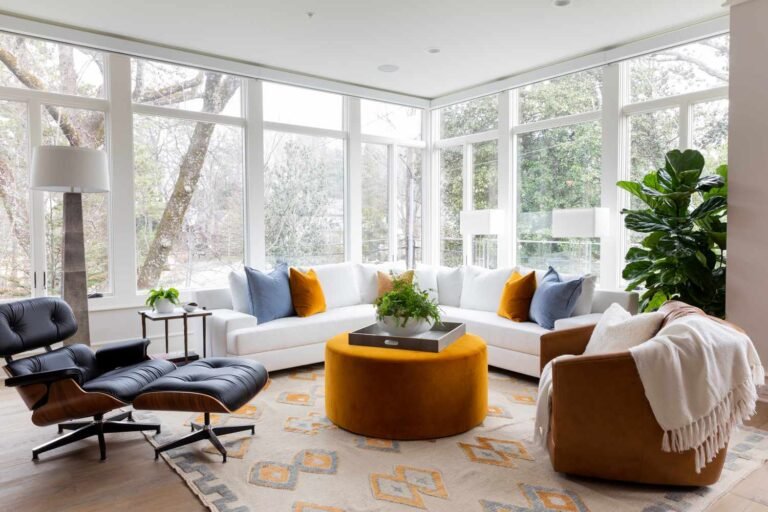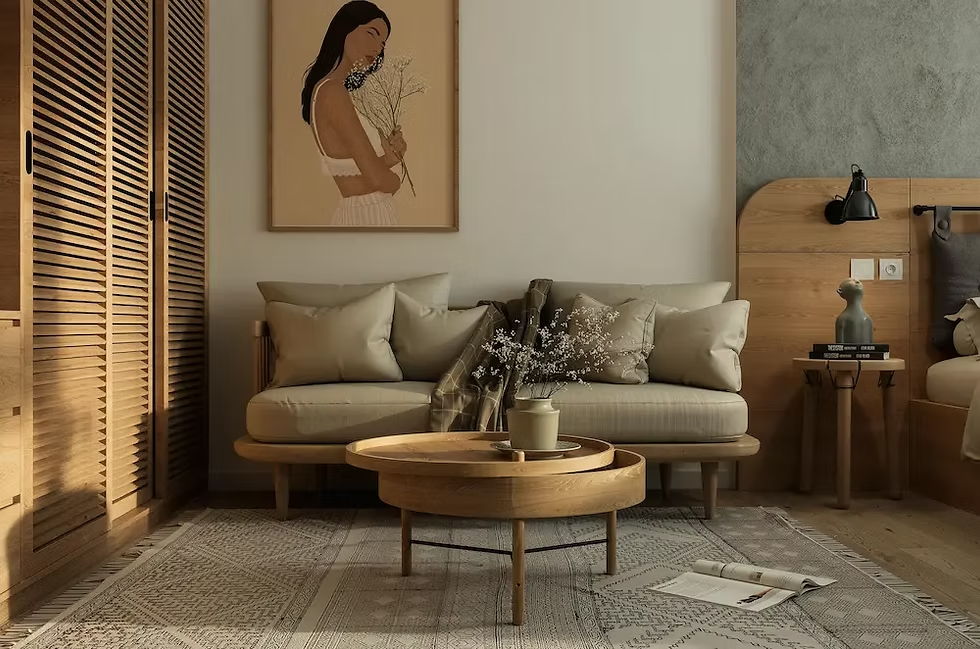
I redid my living room last year and made almost every mistake in the book. Too much white. Furniture that looked good in the store and awkward at home. It wasn’t until a friend mentioned japandi style design that things clicked. Turns out I wasn’t chasing “minimalism” — I wanted warmth and restraint at the same time. That’s basically what japandi is.
In simple terms, japandi style takes the quiet function of Japanese interiors and mixes it with the cozy, lived-in feel of Scandinavian design. Less clutter, more texture. Fewer objects, better ones. It’s been trending hard through 2025 and into 2026, and honestly, I get why — it just feels calmer than most other decor trends going around right now.
What Exactly Is Japandi Style?
Japandi style is a design philosophy, not just a color palette. It borrows wabi-sabi (the Japanese appreciation of imperfection) from one side, and hygge (Scandinavian coziness) from the other.
Think of it as minimalism with a soul. Where pure minimalism can feel cold or showroom-y, japandi keeps things soft — natural wood, linen throws, a slightly uneven ceramic bowl on the shelf. Nothing screams for attention. Everything earns its spot.
I’ve noticed a lot of people confuse japandi with “just beige minimalism.” It’s not. The Japanese side brings craftsmanship and negative space; the Scandinavian side brings function and comfort. Together they balance each other out — one keeps the other from going too stark or too fussy.
Core Principles of Japandi Design
Japandi design rests on a handful of ideas that repeat across every room, no matter the budget.
- Functionality first — nothing decorative unless it also does something
- Natural materials — wood, stone, linen, cane, clay over plastic or glossy laminate
- Muted, earthy tones — think oatmeal, sage, charcoal, walnut brown
- Craftsmanship over mass production — a hand-thrown mug beats a machine-perfect one
- Negative space that’s treated as a design element, not empty leftover room
None of these are radical on their own. What makes japandi style distinct is doing all of them together, consistently, room after room.
How to Bring Japandi Style Into Your Home
Here’s the direct answer: start with decluttering, switch to a warm neutral palette, bring in natural wood and linen textures, and add one or two handmade or imperfect objects per room. Do this gradually — japandi isn’t meant to be an overnight makeover.
1. Edit Before You Decorate
This is the step people skip. You can’t layer japandi calm on top of clutter — it just won’t read right. Go room by room and ask: does this object serve a purpose, or am I keeping it out of habit? Be a little ruthless here.
2. Choose a Grounded Color Palette
Stick to 3-4 colors max per room. A typical mix: warm white walls, a walnut or teak wood tone, and one deep accent like moss green or charcoal grey. Skip pure white — it tends to feel clinical rather than warm.
3. Prioritize Natural, Tactile Materials
Swap synthetic fabrics for linen, cotton, or wool. Replace plastic storage with cane baskets or wooden crates. If you’re in India, this is actually easier than people think — sheesham wood furniture and handwoven jute rugs are widely available and fit the aesthetic perfectly.
Furniture Choices That Work for Japandi Style
Japandi furniture favors low profiles, clean lines, and visible wood grain over ornate carving or heavy upholstery.
Low platform beds instead of tall carved headboards. Simple wooden dining chairs, maybe with a woven cane back. A coffee table with rounded edges rather than sharp corners — Japanese joinery loves a soft edge. Avoid anything glossy or mirror-finished; it fights the whole vibe.
A small example: a friend of mine runs a home decor store in Jaipur, and she told me her sheesham wood stools with simple turned legs started outselling her carved traditional pieces almost the moment she rebranded them as “japandi-friendly” on Instagram. Same wood, different framing, completely different demand. Funny how that works.
Lighting and Texture in Japandi Interiors
Lighting in japandi interior design should feel soft and layered, never harsh overhead glare. Paper or rice-paper lampshades, warm-toned bulbs (2700K–3000K), and low-hanging pendant lights over dining tables all fit well.
Texture does a lot of heavy lifting too. Because the color palette is so restrained, texture is what keeps a room from looking flat:
- Layer a chunky wool throw over a linen sofa
- Add a jute or seagrass rug underfoot
- Mix matte ceramic with a bit of raw stone or unfinished wood
Don’t overthink this part. Two or three textures per room is usually enough.
Budget-Friendly Ways to Get the Japandi Look
You don’t need a full renovation. Start small:
- Repaint one wall in a warm neutral instead of buying new furniture
- Swap synthetic cushion covers for linen or cotton ones (₹400–₹800 each in most Indian markets)
- Thrift or upcycle a wooden stool instead of buying new
- Declutter shelves down to 3-4 objects, max
I’ll be honest — I think a lot of “japandi shopping guides” online push people to buy way more than they need. You really can get 80% of the look with paint, textiles, and editing what you already own.
Common Mistakes to Avoid With Japandi Style
The most common mistake is going too cold — all grey, all white, no warmth. Japandi without the Scandinavian coziness just becomes generic minimalism. Another one: mixing too many wood tones in one room, which makes it look accidental rather than intentional.
A few more to watch for:
- Overdoing symmetry (Japanese design actually favors slight asymmetry)
- Buying “japandi” branded furniture that’s actually just grey IKEA pieces
- Forgetting greenery — a single potted plant does more for warmth than people expect
[link to related guide on choosing a neutral paint palette here]
Japandi Style in Small Spaces
Small apartments actually suit japandi design really well, since the whole philosophy is built around restraint anyway. Multi-functional furniture — a storage ottoman, a fold-down desk — keeps clutter down without sacrificing floor space. If you’ve got a studio flat in a city like Mumbai or Bengaluru, this might be the easiest style to pull off precisely because it doesn’t demand much square footage.
[link to related guide on small apartment layouts here]
FAQ: Japandi Style Design
Is japandi style expensive to achieve? Not necessarily. The philosophy itself is about owning less, better. You can start with paint, textiles, and decluttering before spending on furniture at all.
What colors are used in japandi design? Warm neutrals mostly — oatmeal, beige, soft grey, charcoal, walnut brown, and the occasional deep sage or forest green as an accent.
Is japandi the same as minimalism? Related, but not identical. Minimalism can feel stark; japandi deliberately adds warmth and texture through natural materials and imperfect, handmade objects.
Can japandi style work in a rented home? Yes — textiles, lighting, rugs, and furniture placement do most of the work, so you rarely need to touch walls or fixtures.
What materials define japandi furniture? Natural wood (walnut, oak, sheesham), cane, linen, wool, stone, and unglazed ceramic show up again and again.
Does japandi suit Indian homes? Quite well, actually — sheesham and teak furniture, jute rugs, and handloom textiles are already common here and fit the japandi look without much adjustment.
Final Thoughts
Japandi style design isn’t a strict rulebook — it’s more of a mindset. Keep what’s useful, choose natural materials, let a few imperfect, handmade pieces carry the personality of the room. You don’t need a big budget or a full renovation to get there.
If you’re starting out, don’t try to do your whole house at once. Pick one room — maybe the living room — and apply just three things: declutter, warm neutrals, natural textures. See how it feels for a couple of weeks before you touch anything else. That’s honestly how most good japandi homes get built anyway — slowly, not all at once.