Standing in a tile showroom staring at forty nearly identical shades of beige is enough to make anyone give up and just pick whatever the salesman recommends. But choosing flooring for home isn’t really one decision — it’s several, since what works in a bathroom will fail miserably in a bedroom, and vice versa.
I’ve noticed people obsess over the living room floor and then treat every other room as an afterthought. That’s backwards, honestly. Kitchens and bathrooms take far more daily abuse than a living room ever will, and the flooring choice there matters more, not less.
This goes room by room, with actual costs and the trade-offs nobody mentions in the showroom.
What to Consider Before Choosing Flooring for Any Room
Direct answer: when choosing flooring for home, consider water exposure, foot traffic, maintenance effort, and budget for each room separately rather than picking one flooring type for the whole house.
A few questions worth asking before you commit to anything:
- How much water or moisture will this room see regularly?
- Will kids or pets be running around on it daily?
- Do you want something warm underfoot, or is that not a priority?
- What’s your realistic budget per square foot, not just for the whole project?
Skipping this step is exactly how people end up with slippery marble in a bathroom or scratches all over an expensive wooden floor within a year.
Living Room Flooring Options
The living room gets the most foot traffic and the most attention from guests, so durability and looks both matter here.
Vitrified tiles remain the most popular choice across Indian homes — they’re durable, low-maintenance, and available in finishes that mimic marble or wood convincingly. Costs run roughly ₹60-150 per square foot depending on size and finish.
Marble is still the aspirational choice for many families, and it does look genuinely elegant. But it needs periodic polishing and can stain if spills aren’t cleaned promptly. Picture a family in Jaipur who installed Makrana marble in their living room — beautiful, yes, but they now polish it every 2-3 years just to keep that shine.
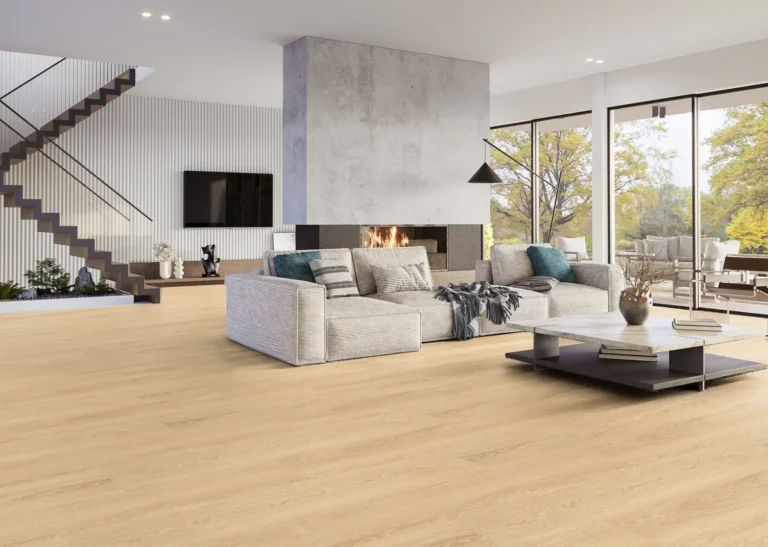
Wooden flooring or laminate wood works well too, adding warmth that tile just can’t match, though it needs more care around moisture.
Kitchen Flooring: Prioritize Grip and Cleanability
Direct answer: kitchen flooring should prioritize slip resistance, stain resistance, and easy cleaning over pure aesthetics, since kitchens deal with oil spills, water, and heavy daily use that other rooms rarely see.
Anti-skid vitrified tiles are the practical choice here — they handle oil and water spills without becoming a slipping hazard. Regular glossy tiles look nice in photos but turn genuinely dangerous the moment cooking oil hits them.
A few solid options:
- Anti-skid ceramic or vitrified tiles — affordable and practical, ₹40-100 per square foot
- Granite — extremely durable, handles heat and stains well, costs more upfront
- Epoxy flooring — increasingly popular in modern kitchens, seamless and easy to clean, though installation needs a skilled contractor
Avoid polished marble in kitchens entirely. It looks great until the first oil spill, and then it’s a slip risk every single day after.
Bathroom Flooring: Non-Negotiable Slip Resistance
Bathrooms are genuinely the one room where cutting corners on flooring can lead to actual injury. Slip resistance isn’t optional here — it’s the entire point.
Anti-skid tiles rated for wet areas are standard, and for good reason. Look specifically for tiles with an R10 or higher slip-resistance rating when buying — most good tile shops can tell you this rating if you ask.
Has this ever happened to you, or someone in your family? A slippery bathroom floor is one of the most common causes of household falls, especially for older family members. It’s worth spending a bit more here rather than saving ₹20 per square foot on a slicker-looking tile.
Bedroom Flooring: Comfort Matters More Than Durability
Bedrooms see far less traffic and moisture than living rooms or kitchens, which opens up softer, warmer options that wouldn’t survive elsewhere in the house.
Wooden flooring genuinely shines in bedrooms — it feels warm underfoot, especially during winter, and the lower foot traffic means it lasts longer here than it would downstairs. Engineered wood costs roughly ₹150-300 per square foot and handles Indian humidity better than solid hardwood.
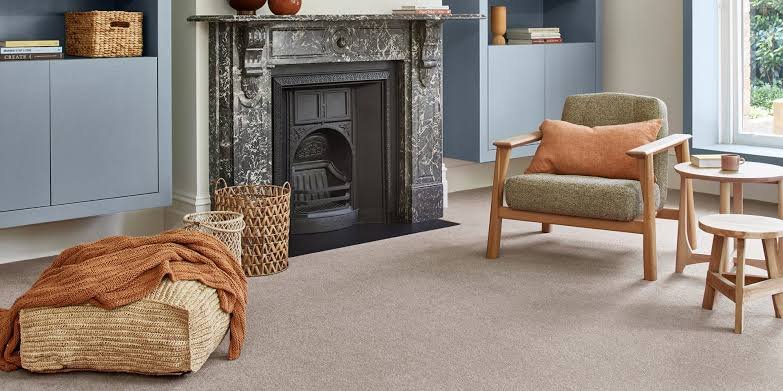
Carpets work too, though I’d argue they’re less practical in most Indian climates due to dust and humidity. Vitrified tiles remain the safer, lower-maintenance default if you’re not sold on wood.
Balcony and Outdoor Flooring
Outdoor and balcony spaces need flooring that handles direct sun, rain, and temperature swings without cracking or fading. [link to related guide on balcony garden plants here]
Good options include:
- Outdoor-rated vitrified or ceramic tiles, textured for grip
- Natural stone like sandstone or kota stone, which handles weather well and ages nicely
- Wood-look outdoor tiles, giving a warm look without the maintenance real wood needs outside
Budgeting for Flooring Across Your Home
Choosing flooring for home on a budget usually means mixing materials strategically rather than using one expensive option everywhere. Spend more where it matters — kitchen and bathroom safety, living room durability — and save on bedrooms where lower-traffic materials work fine.
A rough budget split for a typical 1,200 sq ft home:
- Living room and kitchen: 50-60% of total flooring budget
- Bathrooms: 15-20%, prioritizing safety over cost savings
- Bedrooms and balcony: remaining 20-30%
Frequently Asked Questions
Q: What is the best flooring for Indian homes overall? Vitrified tiles remain the most practical all-round choice — durable, low-maintenance, and reasonably priced across most rooms.
Q: Is marble flooring a good choice for Indian homes? It looks elegant but needs regular polishing and can stain easily. Better suited for living rooms than kitchens or bathrooms.
Q: What flooring is safest for bathrooms? Anti-skid tiles with an R10 or higher slip-resistance rating are the safest choice, especially for households with elderly members.
Q: Is wooden flooring practical in humid Indian climates? Engineered wood handles humidity better than solid hardwood and works well in bedrooms, though it’s not ideal for bathrooms or kitchens.
Q: How much does flooring typically cost per square foot in India? Vitrified tiles run ₹60-150, granite and marble start higher around ₹150-300+, and wood or laminate falls in a similar higher range depending on quality.
Q: Can I use the same flooring throughout my whole house? You can, but it’s usually not the most practical choice — kitchens and bathrooms have different safety and moisture needs than bedrooms or living rooms.
Conclusion
There’s no single right answer when choosing flooring for home — the smartest approach treats each room on its own terms. Prioritize slip resistance in kitchens and bathrooms, comfort in bedrooms, and durability where guests and family spend the most time.
Before you finalize anything, walk into the showroom with your room list and budget split already decided. That single step will save you from an expensive, all-or-nothing decision made under bright showroom lighting.