
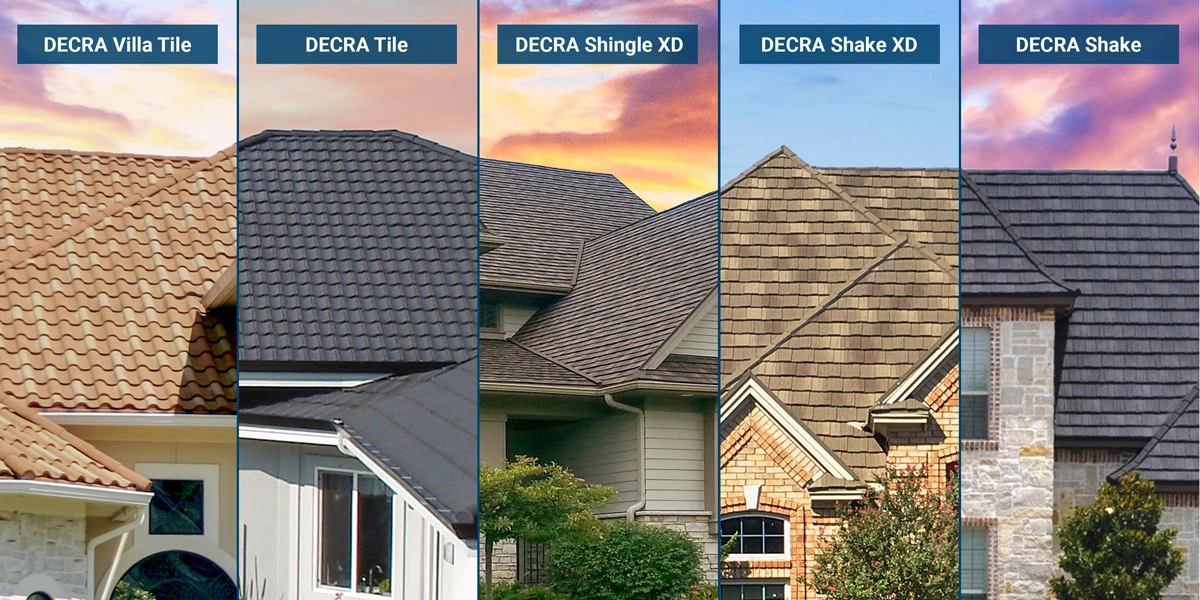
Picking a roof material sounds simple until you actually start comparing options — concrete, clay tiles, metal sheets, asphalt shingles, each with different price points, lifespans, and quirks nobody mentions upfront. A proper roofing materials comparison saves you from choosing based on looks alone, which is honestly how a lot of people end up disappointed a few years in.
I’ve noticed contractors often push whatever they’re most comfortable installing, not necessarily what suits your climate or budget best. That’s not always malicious — it’s just habit. Knowing your options going in changes the conversation completely.
This breaks down the common roofing materials used across Indian homes in 2026, with real cost ranges and honest trade-offs.
RCC Concrete Roofs
Direct answer: RCC (reinforced cement concrete) roofs are the most common choice for Indian homes, offering strong durability (40-60 years with proper maintenance), good structural strength, and easy compatibility with terrace use, though they need periodic waterproofing.
RCC dominates residential construction in India for good reason — it’s strong, familiar to contractors, and doubles as usable terrace space. That last point matters more than people give it credit for. A concrete roof means you get an actual usable rooftop, not just weather protection.
The catch is waterproofing. RCC roofs need reapplication every 5-8 years, and skipping that step is exactly how minor cracks turn into major leaks. [link to related guide on roof maintenance tips here]
Cost typically runs ₹350-500 per square foot including labor, materials, and basic waterproofing, though this varies significantly by city and contractor.
Clay Tile Roofing
Clay tiles have that traditional look people either love or find outdated — there’s not much middle ground here. They’re common in older homes across South India and coastal regions, and for good reason: clay handles heat exceptionally well.
A few honest points about clay:
- Naturally keeps interiors cooler than concrete or metal, since clay doesn’t absorb heat the same way
- Lasts 50+ years if maintained, sometimes longer
- Heavier than most alternatives, requiring stronger structural support underneath
- Prone to cracking if walked on carelessly, which limits terrace use
Cost sits around ₹80-150 per square foot for the tiles themselves, though installation labor adds meaningfully to that.
Metal Roofing Sheets
Metal sheets — usually galvanized steel or aluminum — have become increasingly popular for sheds, farmhouses, and industrial-style homes. They’re fast to install and relatively affordable upfront.
Here’s the trade-off nobody mentions enough: metal roofs get loud during heavy rain, and without proper insulation, they trap heat badly in summer. I lived under one for two years and honestly wouldn’t recommend it without decent insulation underneath — the noise during monsoon alone can be genuinely disruptive.
That said, metal roofing has real advantages:
- Lightweight, so it works on structures that can’t support heavy concrete or clay
- Quick installation — often completed in days, not weeks
- Good for sloped designs, which helps water runoff during heavy rain
Cost ranges from ₹150-350 per square foot depending on gauge thickness and coating quality.
Asphalt Shingles
Less common in India but gaining ground in newer bungalow-style constructions, especially in hill stations and cooler climates. Asphalt shingles look good, install relatively fast, and come in a range of colors and textures.
Direct answer: asphalt shingles offer 15-25 years of lifespan, decent weather resistance, and lower upfront costs than clay or metal, making them a reasonable choice for sloped roofs in moderate climates — though they perform poorly in extreme heat compared to RCC or clay.
They’re genuinely not ideal for most Indian climates, though — the intense summer heat in plains regions degrades asphalt faster than in cooler, temperate areas. If you’re building somewhere like Shimla or Ooty, this makes more sense than in Jaipur or Nagpur.
Fiber Cement and PVC Roofing Sheets
These show up mostly in industrial sheds, warehouses, and budget constructions where cost matters more than aesthetics. They’re lightweight, relatively cheap, and resist corrosion better than plain metal.
Fiber cement sheets cost roughly ₹60-120 per square foot, making them one of the most budget-friendly options available. The downside is a shorter lifespan — typically 15-20 years — and a look that doesn’t suit most residential homes.
Green Roofs and Living Roofs
Still fairly niche in India, but gaining interest among homeowners focused on sustainability and heat reduction. A green roof involves a waterproof membrane topped with soil and vegetation.
Picture a small business owner in Jaipur who converted part of his office terrace into a green roof setup. His top-floor rooms ran noticeably cooler through summer, cutting AC usage during peak afternoon hours. It’s not a mainstream option yet, but the heat reduction benefits are real where the climate and structure support it.
The catch: it needs strong waterproofing underneath and adds significant weight, so it’s not something you retrofit onto just any existing structure without a structural check first.
How to Choose the Right Roofing Material
This roofing materials comparison ultimately comes down to three questions: what’s your budget, what’s your climate, and do you need usable terrace space?
- If you want terrace usability and long-term durability, RCC concrete is hard to beat despite the periodic waterproofing needs
- If natural cooling matters more than upfront cost, clay tiles are worth the extra weight consideration
- If speed and budget matter most, metal or fiber cement sheets get the job done, just plan for insulation
Frequently Asked Questions
Q: Which roofing material lasts the longest? Clay tiles and RCC concrete both offer 40-60+ years with proper maintenance, outlasting metal sheets and asphalt shingles significantly.
Q: What’s the cheapest roofing material in India? Fiber cement sheets, typically ₹60-120 per square foot, though they come with a shorter lifespan of 15-20 years.
Q: Which roof keeps a house coolest in summer? Clay tiles perform best naturally, followed by green roofs. Metal sheets perform worst unless properly insulated underneath.
Q: Is RCC or metal roofing better for homes? RCC suits most residential homes due to terrace usability and durability. Metal works better for sheds, farmhouses, or budget-conscious sloped structures.
Q: How often does a roof need waterproofing regardless of material? RCC roofs need reapplication every 5-8 years. Other materials like clay and metal need less frequent waterproofing but still require periodic checks.
Q: Are green roofs practical for Indian homes? They’re gaining traction for heat reduction, but they need strong structural support and waterproofing, making them better suited to new construction than retrofits.
Conclusion
There’s no single “best” material in this roofing materials comparison — only the best fit for your climate, budget, and how you plan to use the space above your head. RCC remains the safest all-round choice for most Indian homes, but clay, metal, and even green roofs each solve for specific needs the others don’t.
Before deciding, get quotes for two or three materials from a local contractor and ask directly about waterproofing and maintenance costs, not just the installation price. That’s where the real long-term difference shows up.
