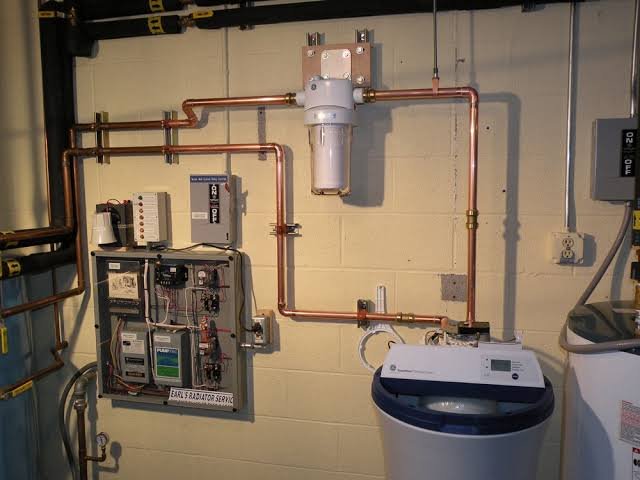
There’s something comforting about turning on the kitchen tap and getting water that tastes fresh, smells clean, and doesn’t leave stubborn marks on your glasses. It’s one of those small household pleasures you barely notice until something changes. Perhaps the showerhead starts collecting white deposits, your laundry feels rough after washing, or the water develops an unusual taste that wasn’t there before.
These problems can be frustrating, but they don’t necessarily mean you need an expensive, complicated solution. Often, the best approach is to understand your water quality first and then choose equipment that addresses the specific issue. From installation to everyday maintenance, a little planning can make a real difference in how well your water treatment system performs.
Why Water Quality Should Be Your Starting Point
Before purchasing equipment, take a closer look at what’s coming through your taps. Water quality varies according to its source, local conditions, and the plumbing that carries it into your home.
Hard water is a common concern. It contains higher concentrations of calcium and magnesium, which can leave mineral deposits on shower doors, faucets, and kitchen appliances. Some households also experience sediment, chlorine-related taste and odor, or other water quality concerns that call for a different treatment method.
Not every problem is visible, though. Certain dissolved contaminants and microorganisms cannot be reliably identified by appearance or taste alone. That’s why water testing is more useful than guessing based on what you notice.
A qualified water treatment professional can help interpret the results and explain which solutions are appropriate. If you rely on a private well, laboratory testing is particularly important for identifying potential microbial and chemical concerns.
The objective is simple: identify the problem before spending money on a solution.
Getting Water System Installation Right
Choosing good equipment is only part of the process. How it’s installed can affect performance, reliability, and the amount of maintenance you’ll need down the road.
Professional water system installation typically begins with assessing the water supply, available plumbing connections, household demand, and the manufacturer’s installation requirements. These details help determine the correct system size and placement.
For instance, a filtration system that’s too small for a busy household may struggle to keep up with peak water demand. Poorly planned plumbing connections can also make filter changes awkward or increase the risk of leaks.
Location matters more than people sometimes expect. Equipment needs enough space for servicing, access to shutoff valves, and appropriate drainage where the system requires it. Some systems need electricity, while others have specific pressure or temperature requirements.
Before installation begins, ask the provider to explain the process, expected costs, warranty coverage, and any ongoing service requirements. It’s also sensible to confirm whether the system needs pretreatment or additional components to operate correctly.
Once the equipment is installed, the job isn’t quite finished. The installer should explain how to operate the system, when to replace consumables, and what warning signs deserve attention. Keep the paperwork and installation details somewhere easy to find.
How Water Softeners Can Improve Daily Life
Hard water isn’t usually something people worry about until it starts interfering with everyday routines. Soap doesn’t lather as expected, shower screens become cloudy, and white mineral deposits seem to return almost immediately after cleaning.
For homes dealing with confirmed hardness, water softeners can be an effective option. Most conventional systems use ion exchange to replace calcium and magnesium ions with sodium or potassium ions, reducing the minerals responsible for hard water.
The difference can be noticeable. Soap and shampoo may lather more easily, mineral scale can become less troublesome, and certain water-using appliances may be less prone to hardness-related buildup.
However, a water softener isn’t the same as a water purifier. It isn’t designed to remove every possible contaminant, and it doesn’t automatically make microbiologically unsafe water safe to drink.
Maintenance is another consideration. Conventional softeners usually require periodic replenishment of the regeneration salt and occasional servicing. Their water and salt consumption can vary according to the system, incoming hardness, and household usage.
If you’re considering a softener, have the water tested first. Ask about the actual hardness level, expected salt consumption, and whether the system is sized appropriately for the number of people living in your home.
Households with medically prescribed sodium restrictions should also discuss drinking water arrangements with a healthcare professional, since ion-exchange softening can increase sodium concentrations.
Whole-Home Filtration for More Consistent Water Quality
Sometimes, the problem extends beyond the kitchen sink. Perhaps the water has a noticeable chlorine odor in several bathrooms, or sediment appears at multiple fixtures. In these situations, treating water at a single tap may not meet the household’s needs.
Whole-home filtration treats incoming water before it travels through the home’s plumbing. Depending on the system, it can reduce sediment, chlorine, and other targeted substances throughout the property.
Different filter types serve different purposes. Sediment filters capture suspended particles, while activated carbon can help reduce chlorine taste and odor. Specialized filter media may address certain additional contaminants when the equipment is designed and verified for that application.
It’s important not to assume that every whole-house filter does everything. A standard sediment filter won’t remove dissolved salts, and ordinary carbon filtration won’t necessarily address hardness minerals or microorganisms.
System capacity also deserves attention. A household with several bathrooms may need a higher-flow unit than a small home with modest water demand. Undersized equipment can restrict water flow, particularly when multiple fixtures are running simultaneously.
Before choosing a system, compare its certified performance claims with your water test results. Ask how often the filter needs replacement, what replacement components cost, and whether the system requires professional servicing.
For households whose main concern is drinking water taste, a smaller point-of-use filter may be sufficient. There’s no reason to treat the entire home’s water supply if the identified problem only requires treatment at one faucet.
Don’t Overlook the Cost of Maintenance
The purchase price is only one part of owning a water treatment system. Filters need replacement, softeners may require salt, and certain units need periodic cleaning or technical servicing.
These expenses can vary considerably between products. A lower-priced system may cost more over time if its replacement cartridges are expensive or difficult to obtain.
Ask for a realistic estimate of annual operating costs before committing. Check whether replacement parts are readily available and whether routine maintenance can be handled by the homeowner or requires a technician.
Regular upkeep helps protect performance, too. A neglected filter may no longer reduce contaminants as intended, even if the water still looks and tastes normal. Keep a simple record of service dates and replacement schedules so maintenance doesn’t slip through the cracks.
If the water’s taste, color, or odor changes unexpectedly, investigate the cause rather than assuming the treatment equipment will handle it.
Making a Practical Choice for Your Home
A reliable water treatment setup doesn’t have to be complicated. It simply needs to address the right problem, fit your household’s water demand, and remain manageable over time.
Start with testing, compare technologies carefully, and choose equipment according to verified performance rather than broad marketing promises. Professional installation can help ensure that the system is properly sized, connected, and ready for routine maintenance.
Most importantly, remember that water quality is not a one-size-fits-all issue. A softener may be the answer for one home, while another needs targeted filtration or a different treatment method altogether.
When you understand your water and plan the installation carefully, you’re more likely to end up with a system that works as expected. And that’s really the point: fewer recurring problems, less guesswork, and greater confidence in the water you use every day.