Water is one of those everyday essentials we tend to take for granted. We turn on the kitchen tap, fill a glass, start the washing machine, or step into the shower without giving much thought to what’s flowing through the pipes. But when water starts leaving white marks on faucets, develops an unusual taste, or causes stubborn stains around the bathroom, those little inconveniences can quickly become frustrating.
The good news is that you don’t have to guess your way toward better water quality. A little testing, some reliable information, and a clear understanding of treatment options can make the process far less complicated. Whether you’re dealing with hard water, unpleasant odors, or concerns about drinking-water safety, starting with the right information can save time and money.
Why Understanding Your Water Matters
Water quality can vary significantly between homes, even within the same neighborhood. Groundwater may naturally contain calcium, magnesium, iron, or manganese, while municipal water can have a noticeable chlorine taste or pick up particles as it travels through plumbing.
Some issues are easy to recognize. Hard water may leave chalky deposits on showerheads, while iron can cause orange or reddish stains on sinks and laundry. Other concerns, including certain dissolved chemicals and microorganisms, may not change the water’s appearance or smell at all.
That’s why guessing isn’t a reliable approach. A water test can identify specific characteristics and help determine whether treatment is necessary. Depending on your water source, testing may include hardness, pH, iron, total dissolved solids, and selected contaminants. Private wells may require additional checks for bacteria, nitrates, arsenic, or other locally relevant hazards.
Understanding the results gives you a useful starting point. Instead of buying a filter because it looks impressive or has dozens of advertised features, you can focus on equipment designed to address the actual problem.
Start With a Water Test Before Choosing Equipment
Imagine spending money on a filtration system only to discover that your main concern is hard water. The equipment might improve one aspect of water quality while leaving the original problem untouched. It’s an easy mistake to make, especially when treatment products use similar marketing language.
Taking time to order a free water test can be a convenient first step when a water-treatment provider offers that service. Before arranging one, check what the test includes, whether a home visit is available, and if laboratory analysis costs extra. Not every free screening checks for every contaminant, so it’s important to understand its limitations.
A basic screening may identify hardness or certain common water-quality characteristics, but it shouldn’t automatically be treated as proof that drinking water is safe. If you use a private well or suspect a specific contaminant, an accredited laboratory may be needed for more comprehensive testing.
Once the results are available, ask someone qualified to explain them in plain language. What does the measured level mean? Does it require treatment? Which options are suitable? A helpful professional should be willing to discuss these questions without making the process feel like a sales pitch.
Understanding Your Water Treatment Options
Different water problems require different solutions, and knowing the basics helps you compare recommendations with confidence.
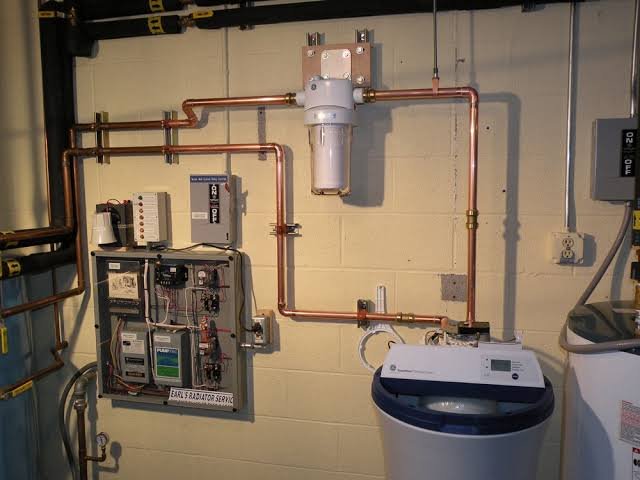
Water softeners are commonly used when calcium and magnesium create excessive hardness. Most conventional systems use ion exchange to reduce these minerals, helping limit scale buildup in pipes, water heaters, and fixtures. Many homeowners also notice that soap lathers more easily and bathroom surfaces are simpler to clean.
Filtration systems serve a different purpose. Depending on their design, they may reduce sediment, chlorine taste and odor, iron, or selected chemical contaminants. Activated carbon filters are often used to improve taste and odor, while specialized filtration media can address particular substances.
Reverse osmosis systems use a semipermeable membrane to reduce many dissolved substances in drinking water. Their performance varies by model, and replacement filters, membrane maintenance, water pressure, and wastewater production should all be considered before purchasing one.
No single treatment method removes everything. A softener won’t automatically make contaminated water safe to drink, and a standard sediment filter won’t remove every dissolved contaminant. Matching the equipment to the test results is what makes the investment worthwhile.
Ask for Clear Pricing Before Making a Decision
Water treatment equipment comes in many sizes and configurations, so prices can vary considerably. The final cost may depend on water conditions, household consumption, installation requirements, equipment capacity, and the number of treatment stages needed.
When comparing providers, look beyond the initial purchase price. Ask whether installation, plumbing changes, replacement cartridges, maintenance visits, and other recurring expenses are included. A less expensive system may cost more over time if its components require frequent replacement.
It can also be helpful to compare always free quotes if a provider genuinely offers written estimates without charge or an obligation to purchase. Confirm the terms directly, because a free estimate doesn’t necessarily mean that testing, installation, or every follow-up service is also free.
A detailed estimate should explain which equipment is being recommended, why it’s appropriate for your water, and what the quoted price covers. If a proposal includes several treatment stages, ask what each stage does. You should be able to understand the purpose of every component before agreeing to pay for it.
Don’t be afraid to compare more than one provider. A little extra research now may prevent an expensive mismatch later.
Questions Worth Asking a Water Treatment Professional
A trustworthy provider should do more than recommend a product. They should explain how the equipment works and help you understand whether it’s suitable for your home.
Here are a few useful questions to ask:
- Which specific water-quality problem will this system address?
- Is the equipment independently certified for the contaminant I’m concerned about?
- What maintenance will be required, and how often?
- Are replacement filters and other parts readily available?
- Will the system affect water pressure or household water consumption?
- What happens if the water test reveals a problem the proposed equipment cannot treat?
If you’re comparing several systems, write down the answers. It becomes much easier to assess the options when you can compare their capabilities, installation costs, and long-term requirements side by side.
Be cautious of claims that one product removes every possible contaminant or guarantees perfectly pure water without supporting evidence. Effective treatment depends on the water itself, the technology selected, and proper maintenance.
Request a Quote That Reflects Your Actual Needs
Once you understand your water-quality concerns and have reviewed suitable treatment options, the next step is to get a detailed estimate. This gives you a clearer idea of the investment involved and helps you decide whether to proceed immediately or compare alternatives.
When you request a quote, provide useful details such as your water source, household size, known water-quality problems, and any available test results. Mention whether you want drinking-water treatment at a single tap or treatment for the entire home. These details help the provider recommend appropriately sized equipment instead of offering a generic package.
Ask for the quote in writing and review the included services carefully. Check warranty conditions, expected maintenance expenses, installation timelines, and any exclusions. If something isn’t clear, ask for an explanation before signing an agreement.
A good quote should help you make a decision, not pressure you into making one. Take your time, compare the information, and choose a provider whose recommendations make sense for your circumstances.
Make Better Water Quality a Long-Term Investment
Improving household water quality doesn’t have to involve buying the biggest or most expensive system available. Often, the smartest approach is much simpler: understand your water, identify the problem, compare appropriate technologies, and choose equipment you can maintain properly.
Testing provides a foundation for that process, while clear pricing and professional advice help you avoid unnecessary expenses. Whether you’re trying to reduce mineral deposits, improve drinking-water taste, or investigate a potential contamination concern, informed decisions are more valuable than impressive marketing claims.
Water is part of everyday life, and its quality deserves a little attention. With reliable test results, transparent estimates, and the right treatment solution, you can approach the process with greater confidence and make a practical investment in your home.